This post may contain affiliate links. See my disclosure for details.
Kyoto could easily fill a week. But if you have limited time, three days is enough to see the best of it without rushing. You’ll have room to wander and actually enjoy the places you visit instead of just checking them off a list.
This itinerary is based on my own trip and covers what I think are the best things to do in Kyoto if you only have a few days. I tried to balance the big must-see spots with some of the quieter, less touristy parts of the city that I loved just as much.
Day 1: Arashiyama
Arashiyama deserves a full day because the bamboo paths, river, Kimono Forest, and hillside temples are all walkable once you arrive.
The Bamboo Grove (or Skip It)
I’m going to be controversial here and say you can skip the Arashiyama Bamboo Grove. It’s the most famous thing in the area but it’s not that impressive once you’re there. The path is short, it’s shoulder to shoulder with tourists, and you never get that peaceful bamboo forest feeling you’re imagining. If you do go, don’t spend too long because Adashino Nenbutsu-ji further up the hill has a much better bamboo path that’s actually worth your time.
Kimono Forest and the River
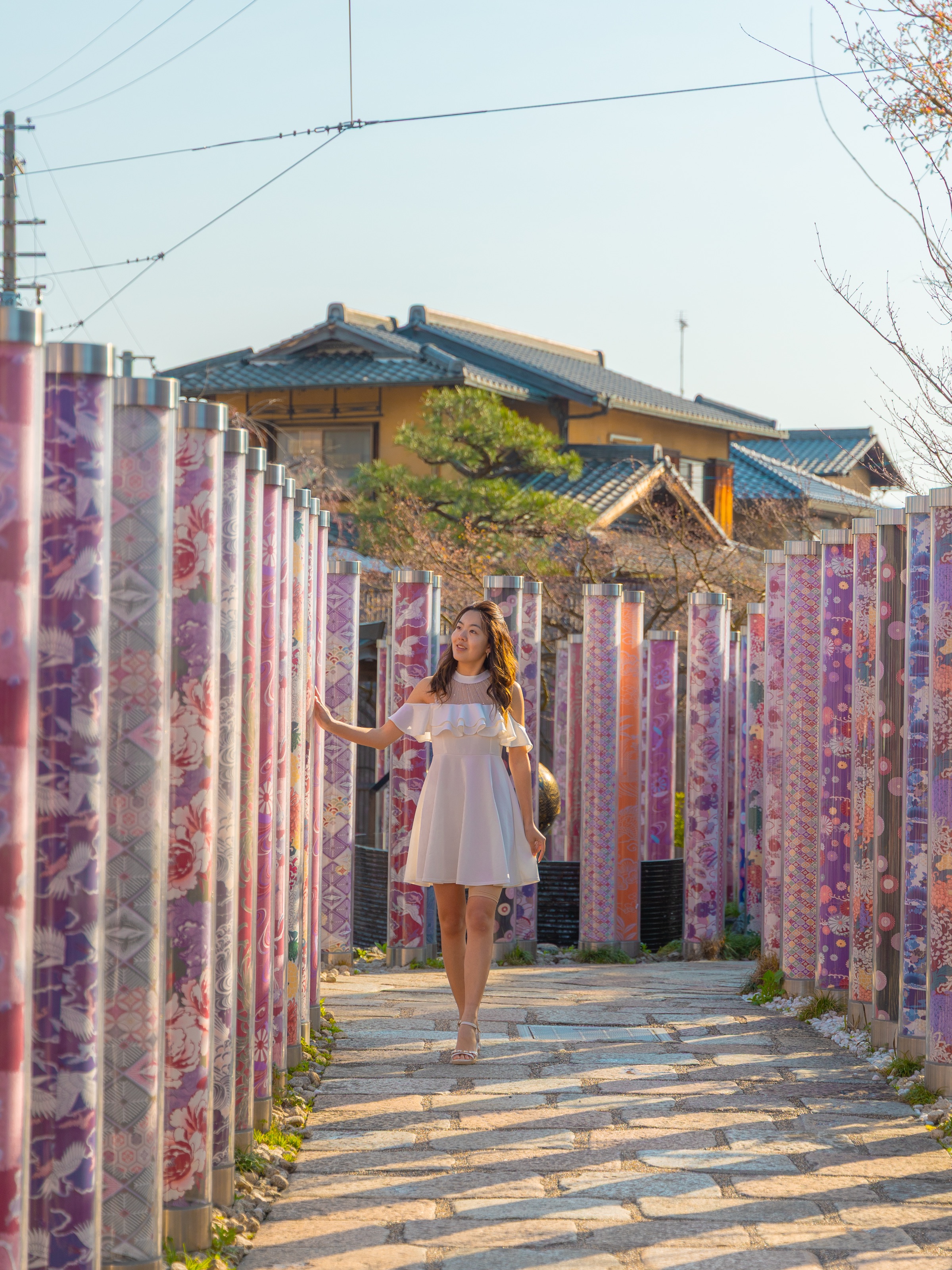
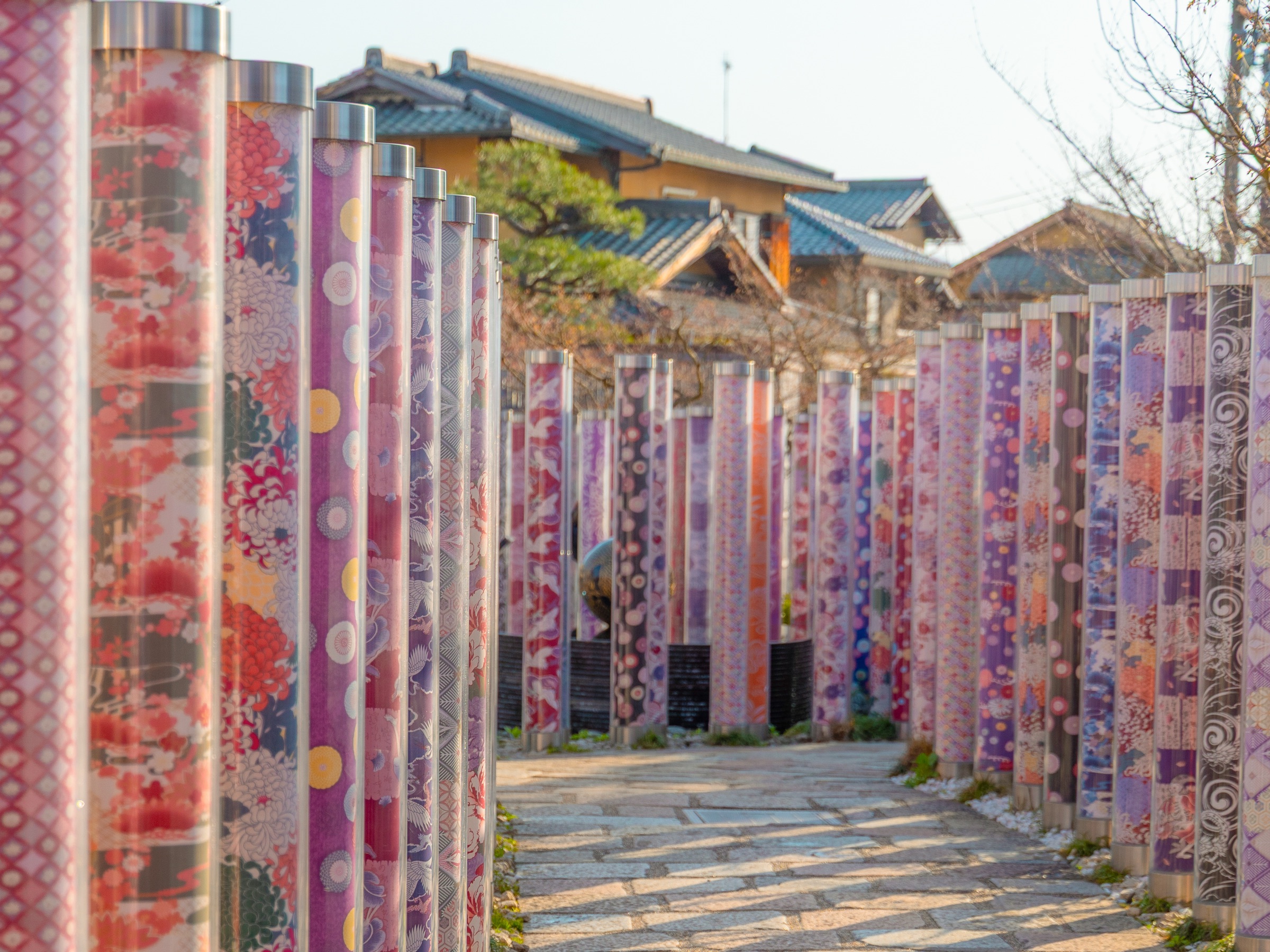
From the bamboo grove, it’s a short walk to the Kimono Forest at Randen Station, this gorgeous installation of fabric-wrapped pillars right on the train platform. Each one is covered in a different traditional Kyoto kimono pattern, and the colors are so vivid in person. It’s a popular stop and it photographs beautifully.
After the Kimono Forest, walk along the Katsura River. The mountains reflecting in the water with the Togetsukyo Bridge stretching across it is such a pretty scene, and it’s a nice way to ease into the day before heading uphill to the temples.
Otagi Nenbutsu-ji
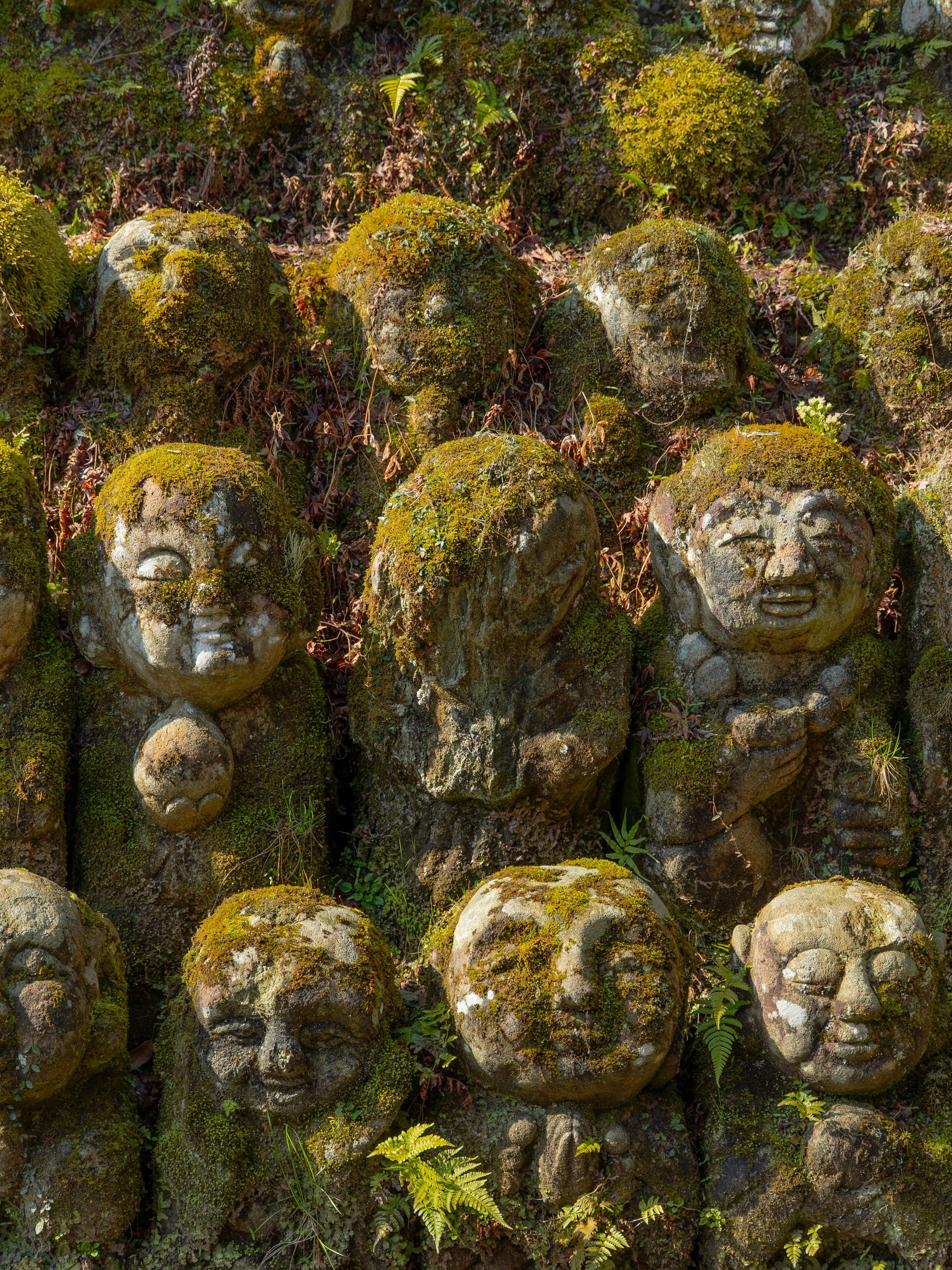
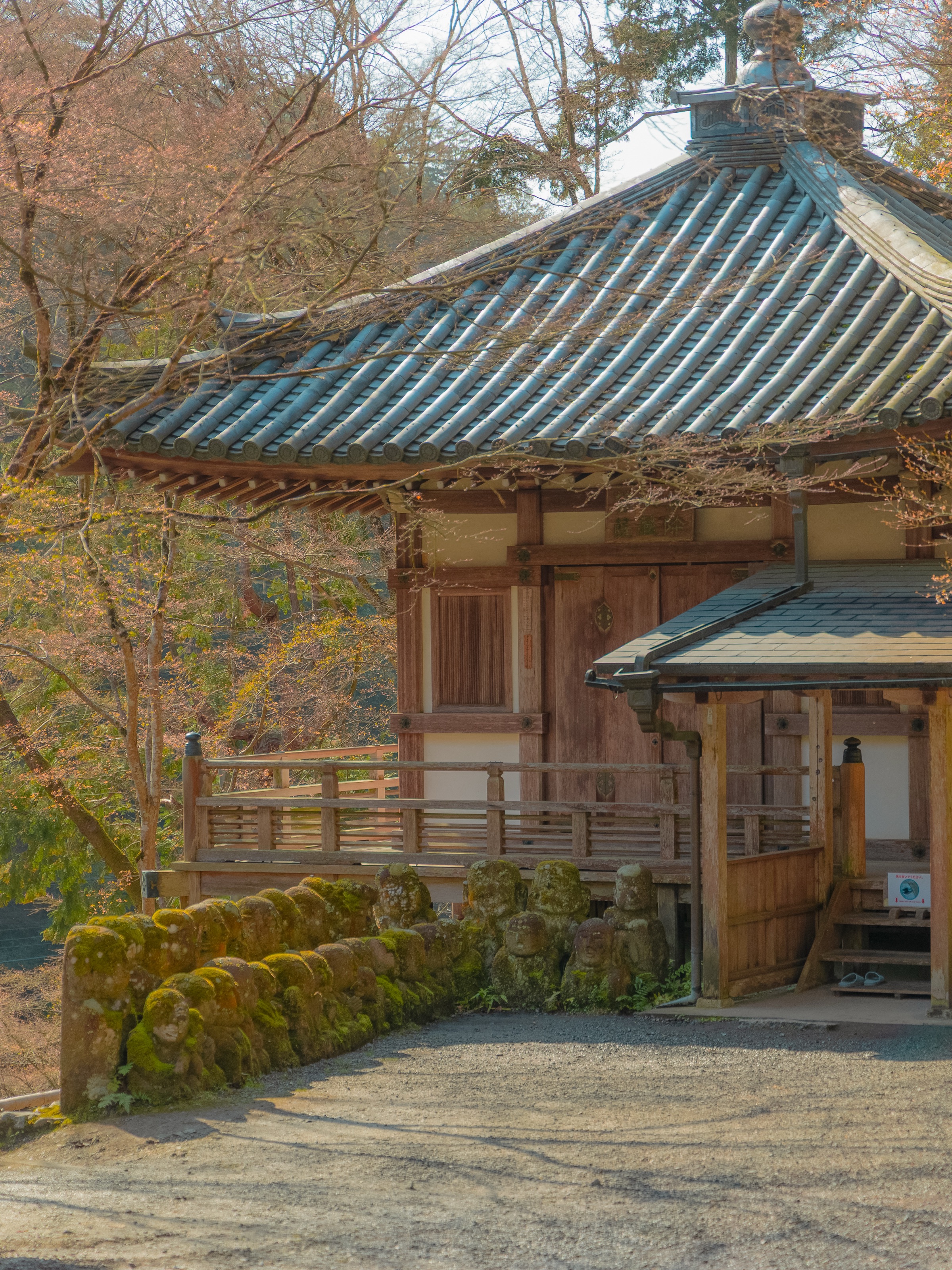
Head uphill to Otagi Nenbutsu-ji, one of my favorite places in all of Japan. Over 1,200 stone rakan statues line the mossy temple grounds and each one has a different expression. Some are laughing, some are meditating, and some look like they’re telling each other secrets. It’s whimsical and beautiful and sees a fraction of the visitors that the main Arashiyama area draws.
On the walk up you’ll also pass Gio-ji, this incredible little moss garden temple where everything is covered in the brightest green, and Jojakko-ji, which has these gorgeous stone steps leading up through the forest. Both are worth stopping for. This whole part of Arashiyama feels completely separate from the busier streets below, and it’s where the best stuff is.
Adashino Nenbutsu-ji
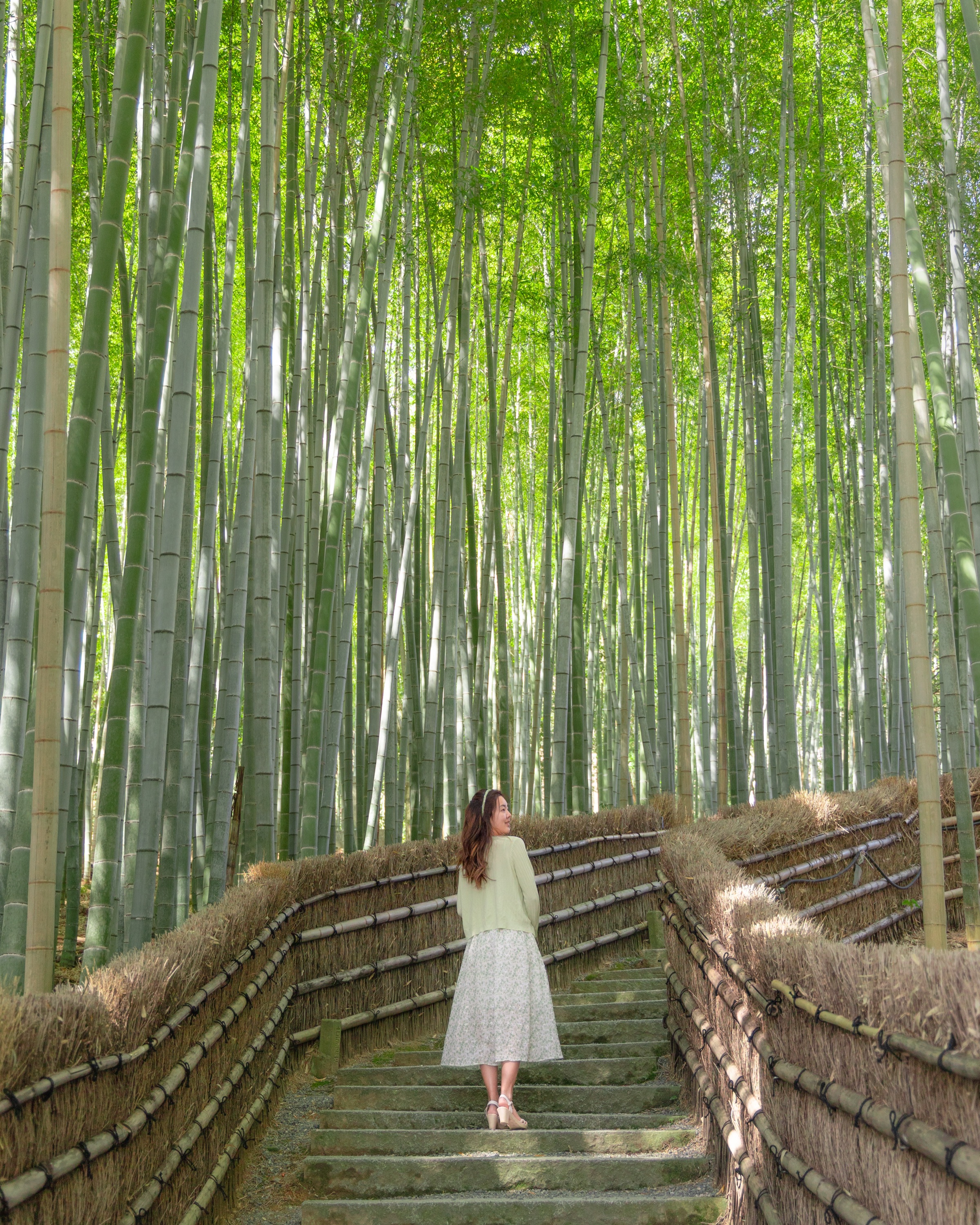
Adashino Nenbutsu-ji is a short walk from Otagi and this is the bamboo experience the main grove promises but doesn’t deliver. There’s a gorgeous bamboo path inside the temple grounds, and I practically had it to myself. I was able to set up my tripod, take my time, and actually enjoy it, which was such a nice contrast to the chaos down the hill. If you only do one bamboo stop in Arashiyama, make it this one.
Day 2: Kimono Day
Dedicate a full day to exploring Kyoto in a kimono. I used mine for photographs in Higashiyama and Fushimi Inari, with enough time to walk between locations without rushing.
Rent a Kimono in Higashiyama
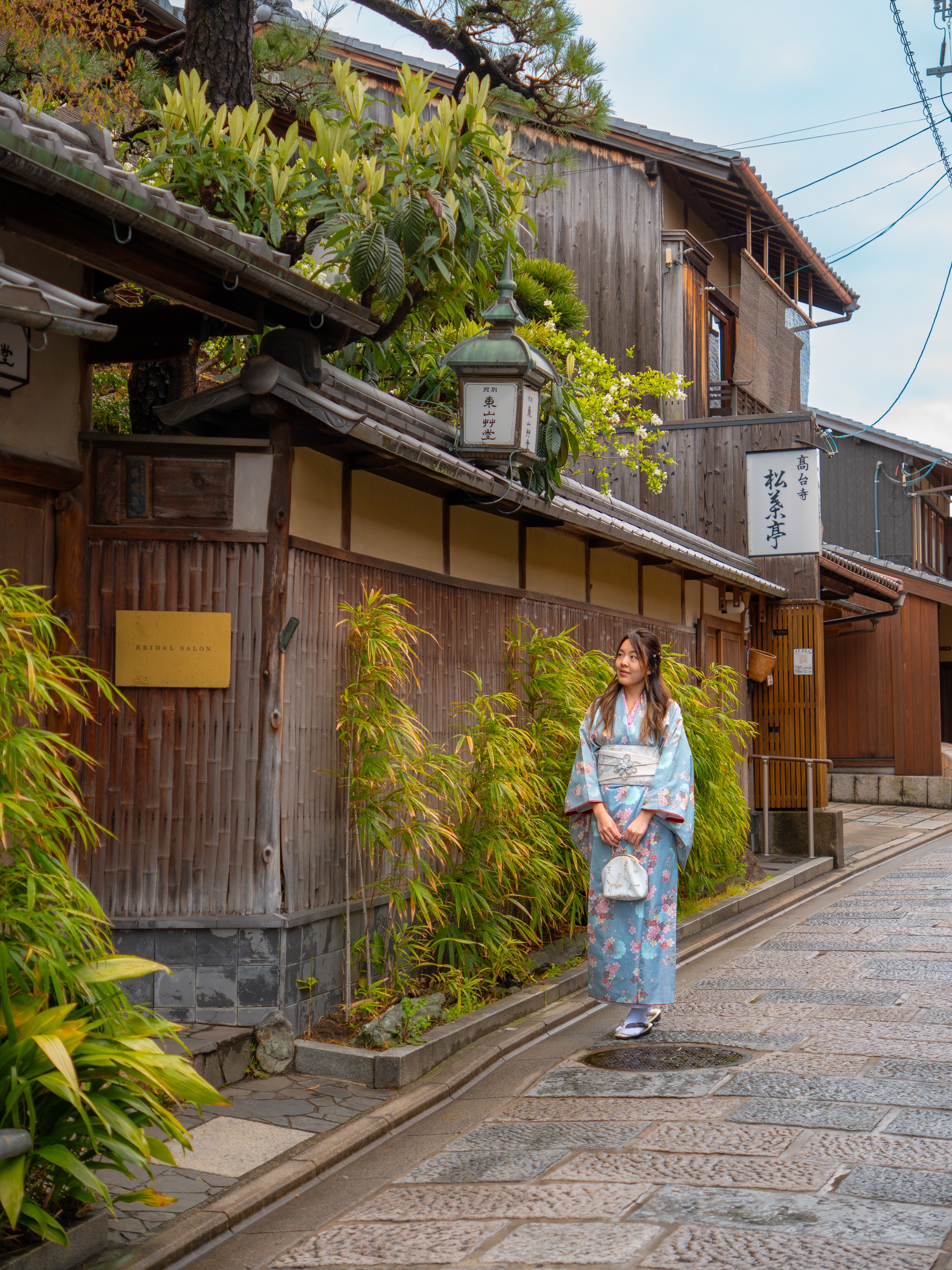
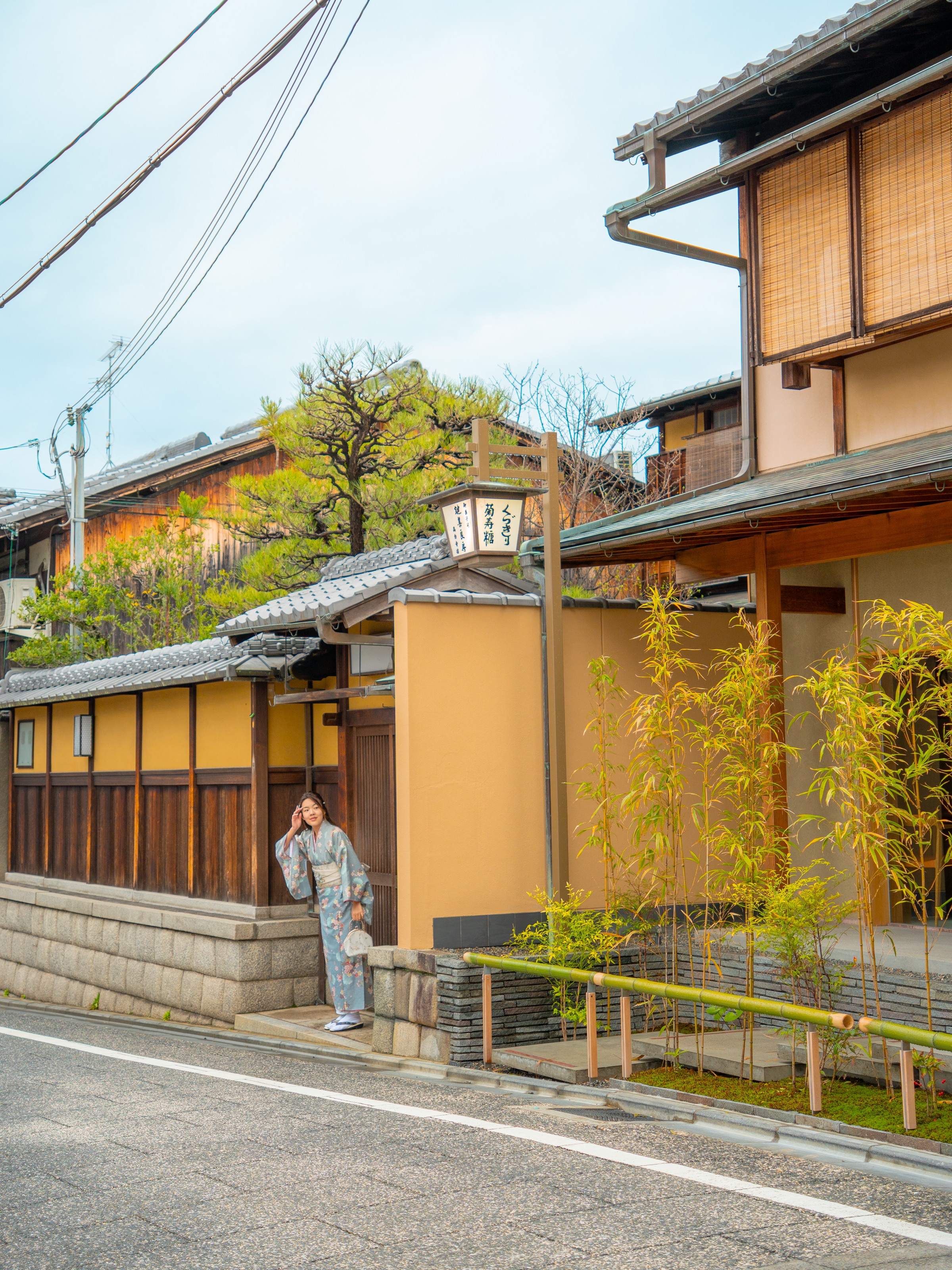
I rented a kimono near the Higashiyama district and spent the full day exploring in it. I chose a blue one with pink florals and the ladies in the shop styled my hair with little flowers pinned in, and I felt so pretty walking out the door. The rental shops handle everything so you just show up and they take care of the rest. I have a whole separate post about the experience if you want the full details!
Sannenzaka and Yasaka Pagoda
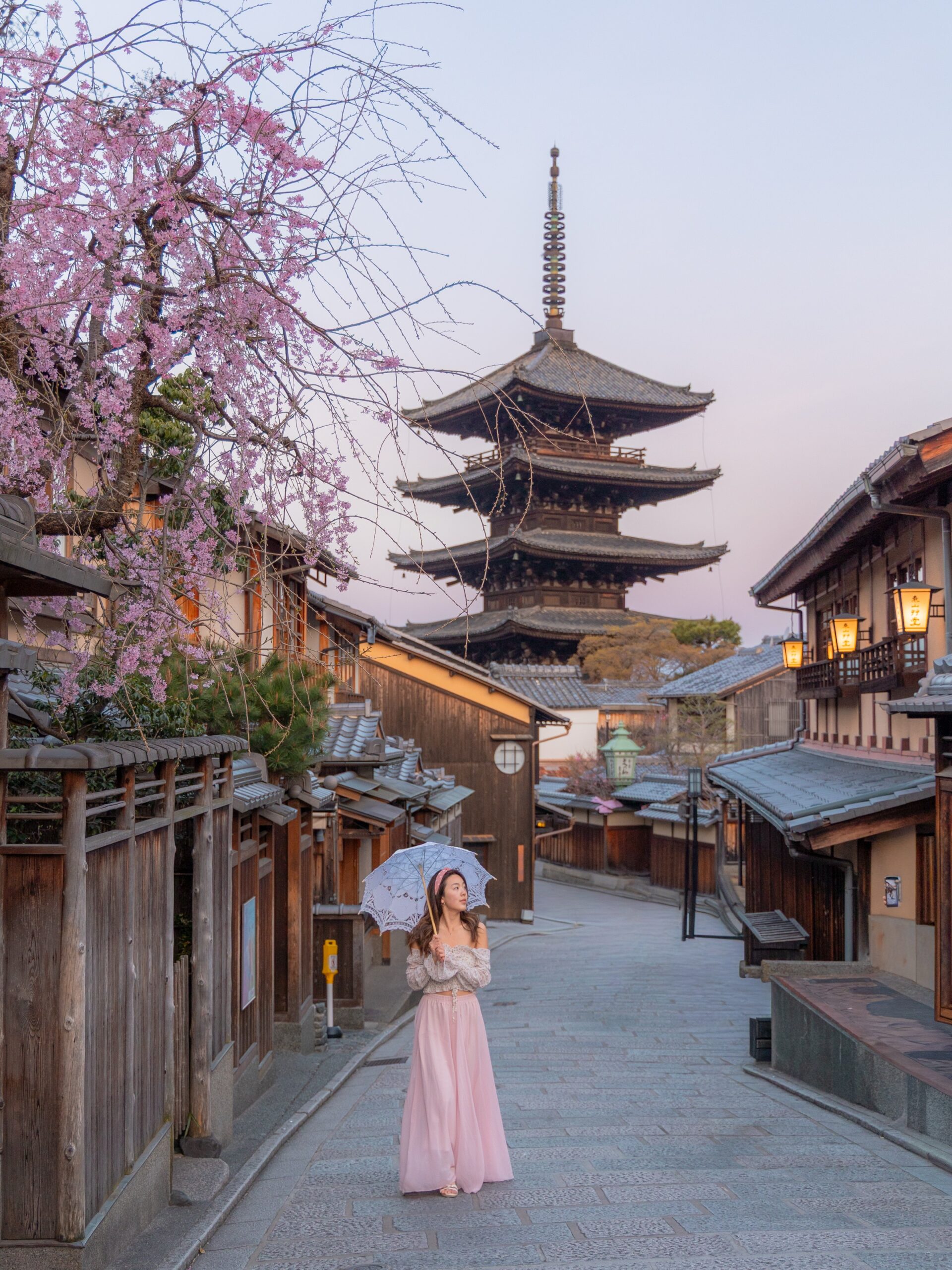
Walk through Sannenzaka and Ninenzaka in your kimono. This was the one area during my entire trip that was packed no matter when I went, but I didn’t even mind because it’s so beautiful. Narrow stone-paved streets, old wooden buildings with latticed windows, little shops selling ceramics and sweets, and Yasaka Pagoda rising above the rooftops in the background.
Fushimi Inari in a Kimono
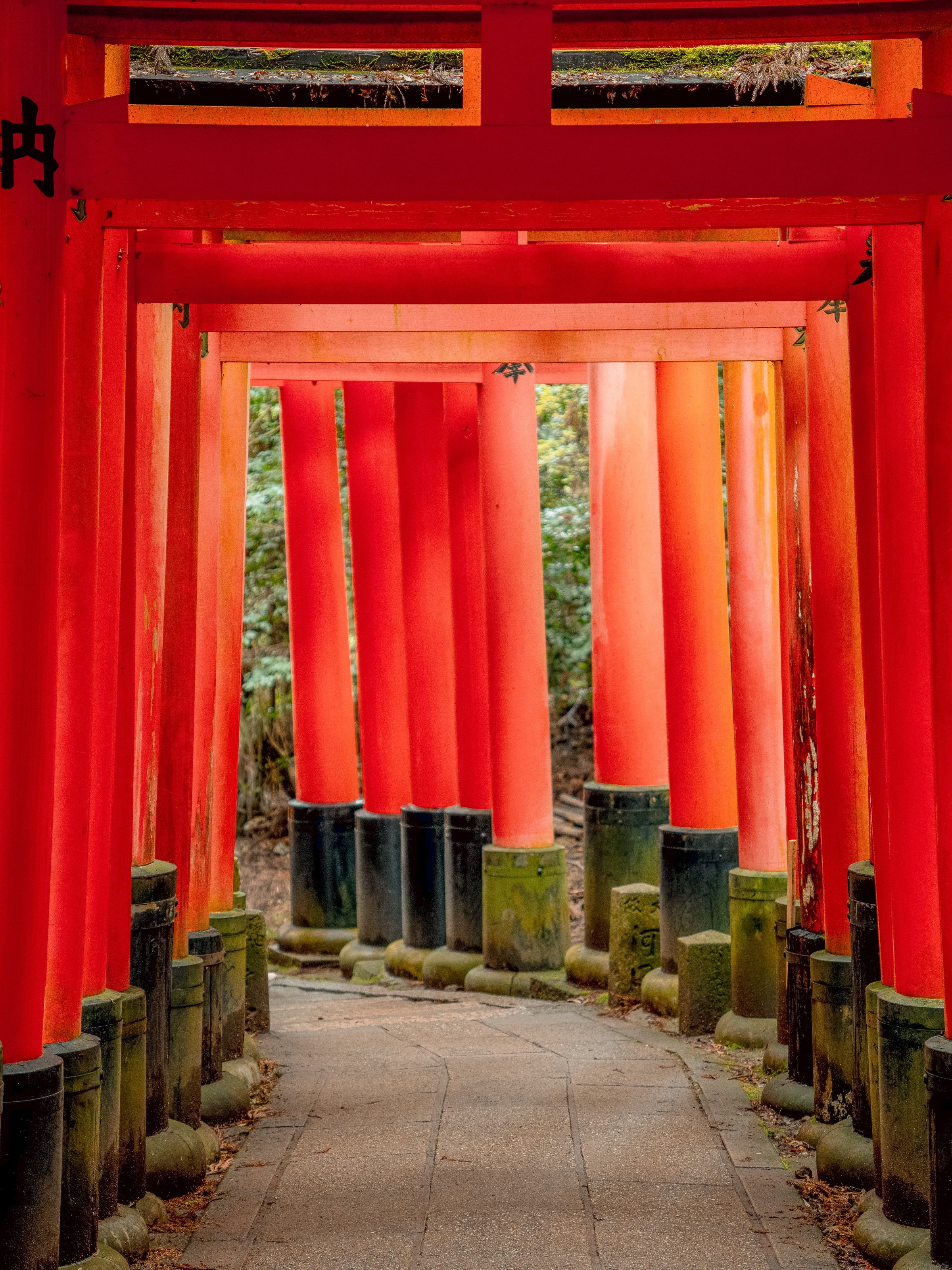
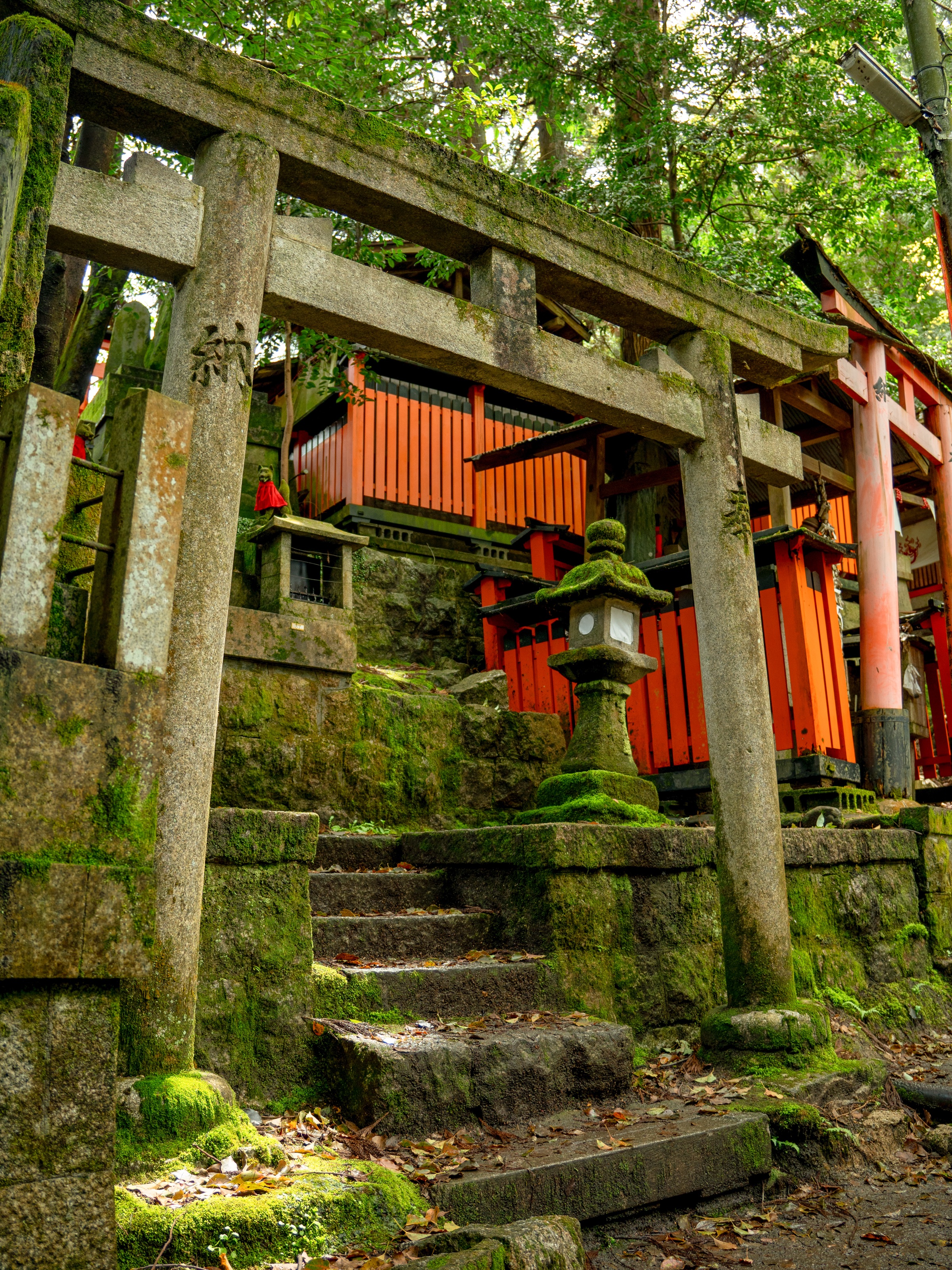
I hiked Fushimi Inari in a kimono, which was maybe not the most practical decision I’ve ever made but I’d do it again in a heartbeat.
The base of the shrine was packed when I got there, thousands of visitors jostling for photos around the lower torii gates. But here’s the thing most people don’t realize. The full hike to the summit takes about two to three hours round trip, and the crowds thin dramatically once you pass the halfway point. By the upper sections I was nearly alone on the mountain, walking through tunnel after tunnel of vermillion gates with nothing but forest and birdsong around me. The light filtering through the gates up there was some of the most beautiful I’ve ever photographed.
I’d say commit to the full hike because the summit views over Kyoto are worth every step.
Day 3: Culture and Food
After two days of temples and shrines, Day 3 has a slower schedule with Nishiki Market, a matcha break, and an afternoon in Gion. I liked having time to eat, browse the shops, and sit in a tea house instead of moving directly between major sights.
Nishiki Market
Start with Nishiki Market, a narrow covered shopping street that runs for several blocks through downtown Kyoto. It’s been around for hundreds of years and locals still come here for fresh fish, pickled vegetables, tofu, and seasonal ingredients. But it’s also full of street food stalls where you can try everything from fresh mochi to grilled seafood on skewers to matcha soft serve.
I went from stall to stall trying whatever looked good, picking up a skewer here, a little cup of dashi there, and everything was delicious. The vendors are so friendly and most stalls have small portions so you can taste a lot without getting full too fast. Take your time here because the market is long and there’s something new every few steps.
A Matcha Break
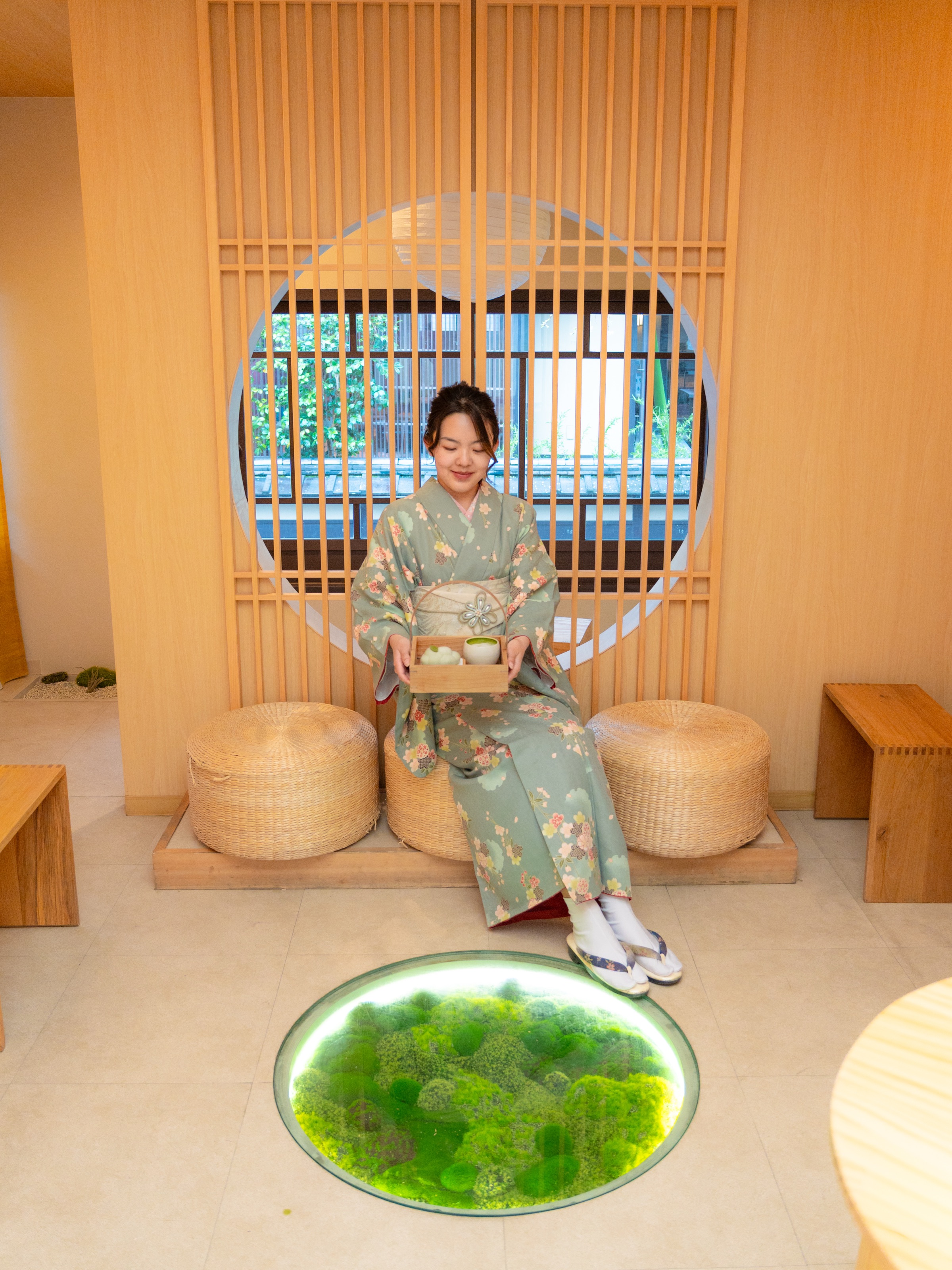
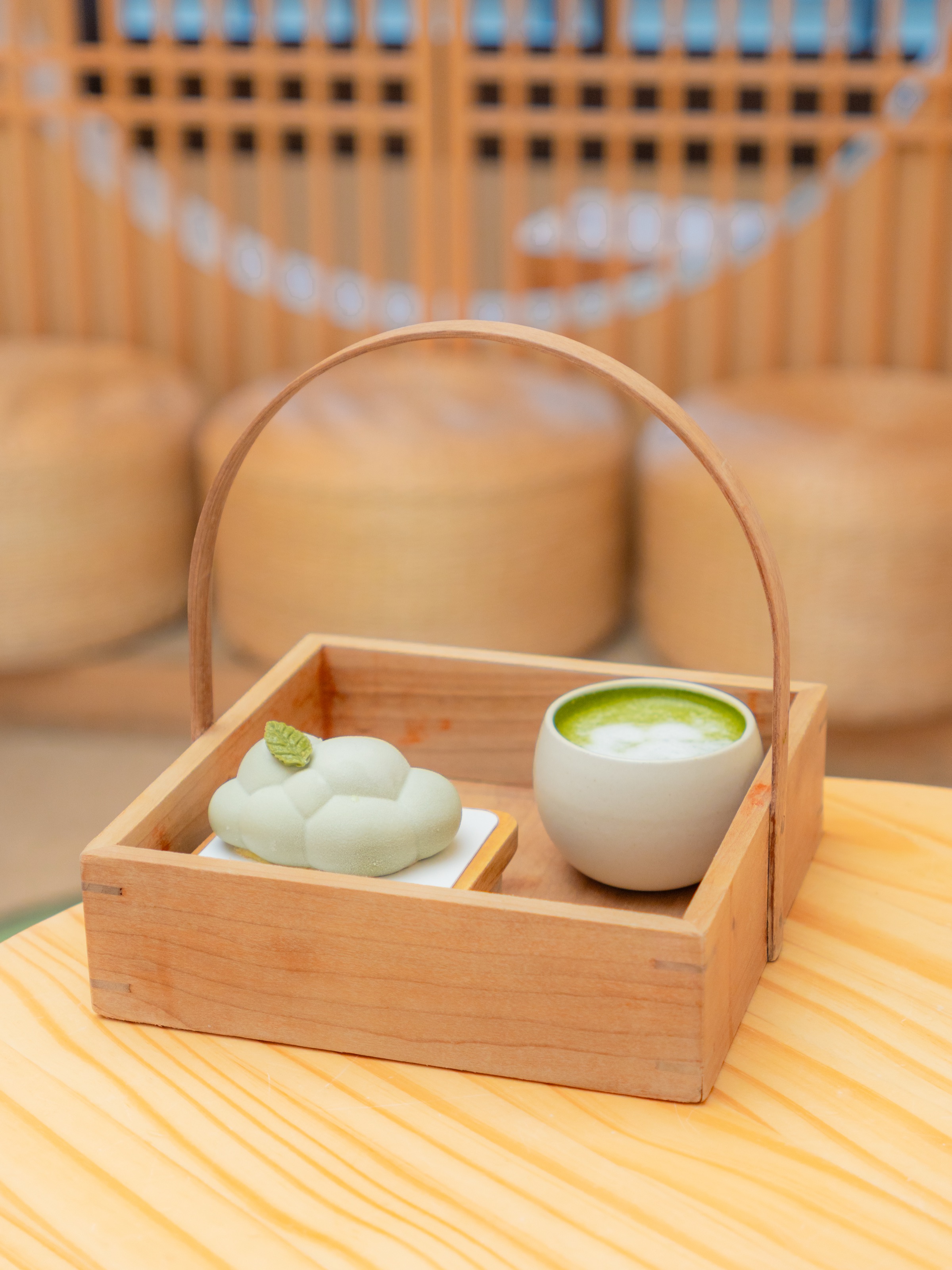
Kyoto is the matcha capital of Japan, and you can’t visit without sitting down for a proper matcha and wagashi. Wagashi are traditional Japanese sweets, these tiny, beautiful little things shaped like leaves and flowers that look almost too pretty to eat. The matcha here tastes nothing like what you’ve had at home either. It’s so much richer and smoother, with this gorgeous bright green color you won’t find anywhere else.
There are tea houses all over the city, but I loved finding a quieter one tucked away on a side street where I could sit by the window and take in the afternoon. After two packed days of sightseeing, it was exactly what I needed.
Gion
Spend your last afternoon wandering through Gion, Kyoto’s most famous geisha district. The streets are lined with traditional wooden machiya townhouses, soft paper lanterns hanging from every doorway, and latticed windows that you can’t help but peek into. It has a completely different energy from anywhere else in the city.
If you’re lucky, you might spot a maiko (an apprentice geisha) walking between appointments. Even if you don’t, Gion is especially pretty at dusk, when the paper lanterns come on outside the wooden teahouses and restaurants begin opening for dinner.
📸 Want more photo inspiration? Check out my guide to the most photogenic spots in Kyoto for all my favorite locations and the best times to shoot them!
Practical Tips
Book accommodation early. Kyoto is one of the most visited cities in Japan and good hotels and ryokan fill up fast, especially during spring and autumn. If you can, book as soon as you have your dates.
Get an IC card. A Suica or ICOCA card makes getting around Kyoto so much easier. You can use it on buses, trains, and even at convenience stores. It saves you from buying individual tickets every time.
Wear comfortable shoes. You’ll be walking a lot, between temple grounds, stone paths, and long market streets. I averaged over 20,000 steps per day.
Download Google Maps offline. Cell service can be spotty inside temples and in the hillside areas of Arashiyama. Having an offline map saved me more than once.
Kyoto is a bus city. The bus system covers way more of the city than the trains do, and most of the major sights are along the main bus routes. Don’t be afraid to hop on one, it’s easy and cheap.