This post may contain affiliate links. See my disclosure for details.
I’ve been to South Korea three times now, and I keep going back. There’s always a new cafe to find, a new neighborhood to explore, and something I missed the last time. This South Korea itinerary is built from everything I’ve learned across those trips, covering Seoul, Busan, Jeju, and Jeonju. I’ve put it together so you can adjust it based on how much time you have.
- 7 days: Seoul (4) + Busan (3)
- 10 days: Seoul (4) + Busan (3) + Jeju (3)
- 12 days: Seoul (4) + Jeonju (1-2) + Busan (3) + Jeju (3)
Every section is designed so you can mix and match. If you only have a week, Seoul and Busan alone will give you a great trip. If you can swing 10 days, Jeju is worth the flight. And if you have the full 12, slot in Jeonju between Seoul and Busan for the most charming little detour.
Practical Info
Getting around: South Korea’s transit system is the best I’ve experienced anywhere. Get a T-money card at any convenience store (2,500 won for the card) and load it up. It works on subways, buses, and even taxis in Seoul. Between cities, the KTX high-speed train connects Seoul to Busan in about 2.5 hours. Book tickets on the Korail app or at the station.
Important: Google Maps doesn’t work properly in South Korea. Download Naver Map or KakaoMap before you go. I used Naver for everything and it was great for transit directions. Also download Papago for translation. It’s far more accurate than Google Translate for Korean, especially for menus and signs. English isn’t as widely spoken outside of the main tourist areas.
Money: South Korea is still pretty cash-friendly, but credit cards work almost everywhere in Seoul and Busan. The currency is Korean won (KRW). 1,000 won is roughly $0.75 USD.
Best time to visit: Cherry blossom season (late March to mid-April) is peak season for a reason. Fall foliage (October to mid-November) is equally stunning. Summer is hot and humid with monsoon season in July. Winter is cold but you’ll get fewer crowds and beautiful snowscapes.
SIM card: Grab a tourist SIM or eSIM at Incheon Airport. I’d recommend picking up an eSIM through Airalo before you go so you’re connected the moment you land.
Seoul — 4 Days
Seoul has so much going on that I’ve never felt like I’ve fully exhausted it, no matter how many times I’ve been. Between the palaces, the café scene, the food, and the K-beauty shopping, you could easily spend two weeks here. Four days covers the highlights and gives you a solid taste of the city.
Day 1: Palaces, Hanok Villages, and Ikseon-dong
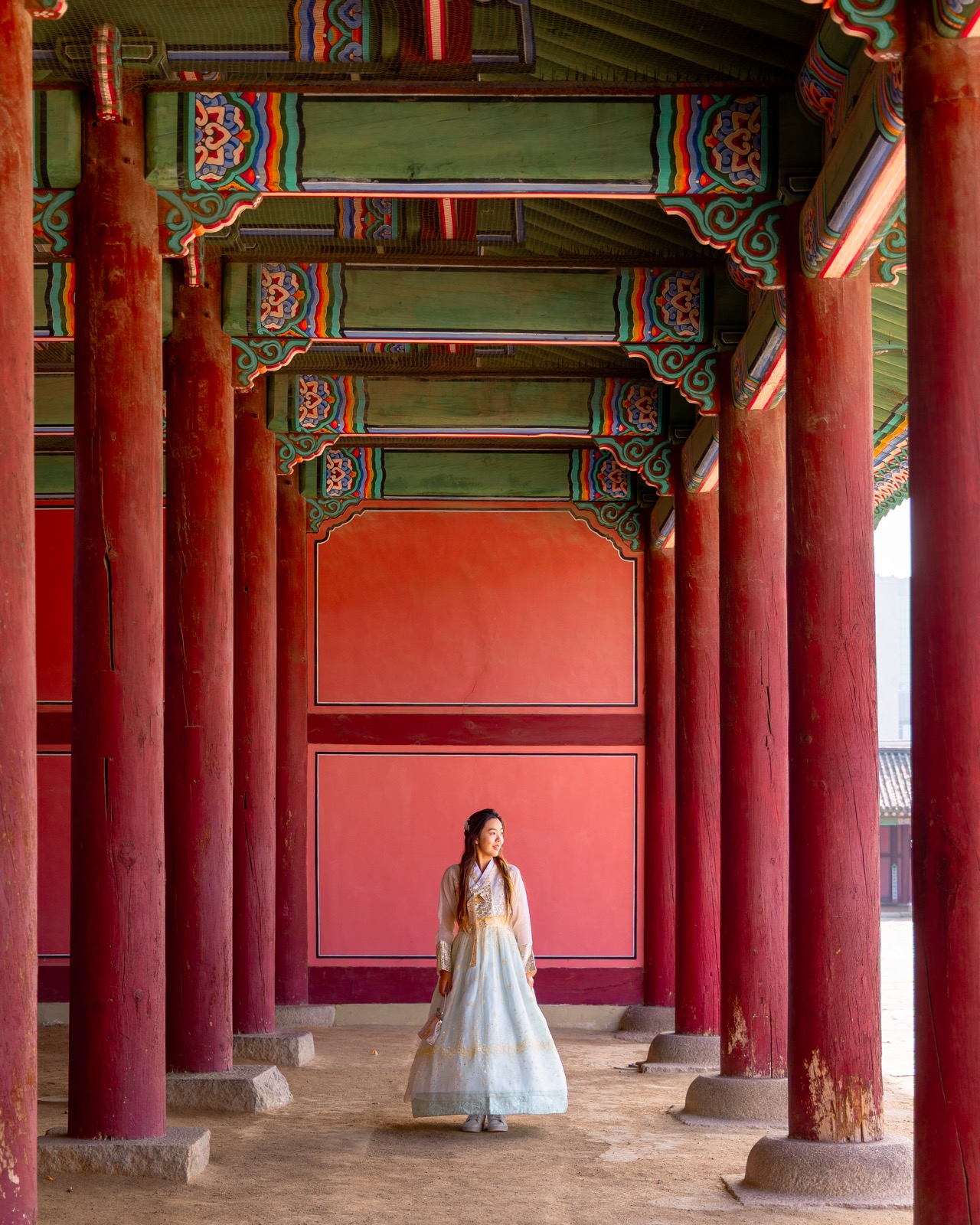
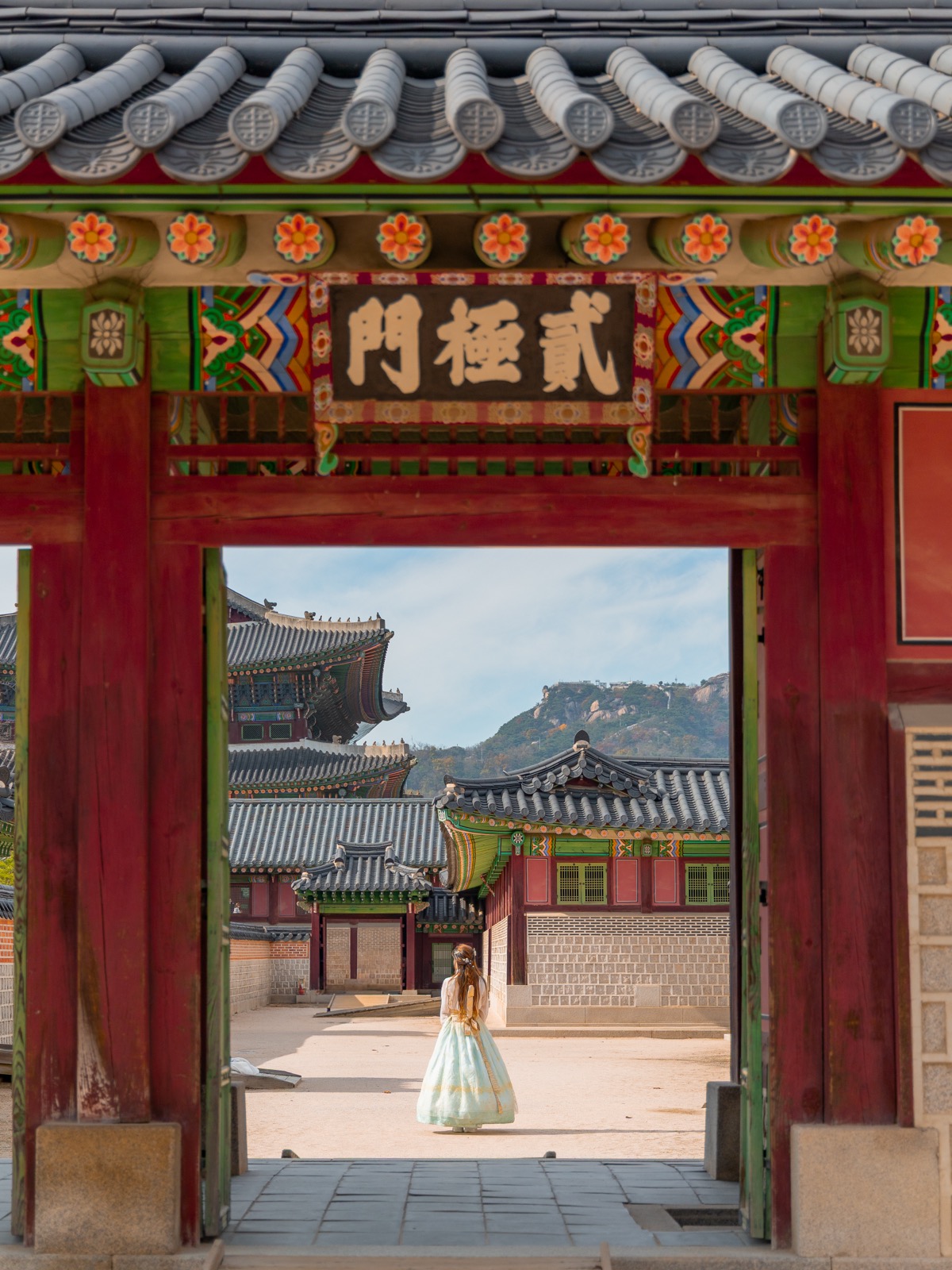
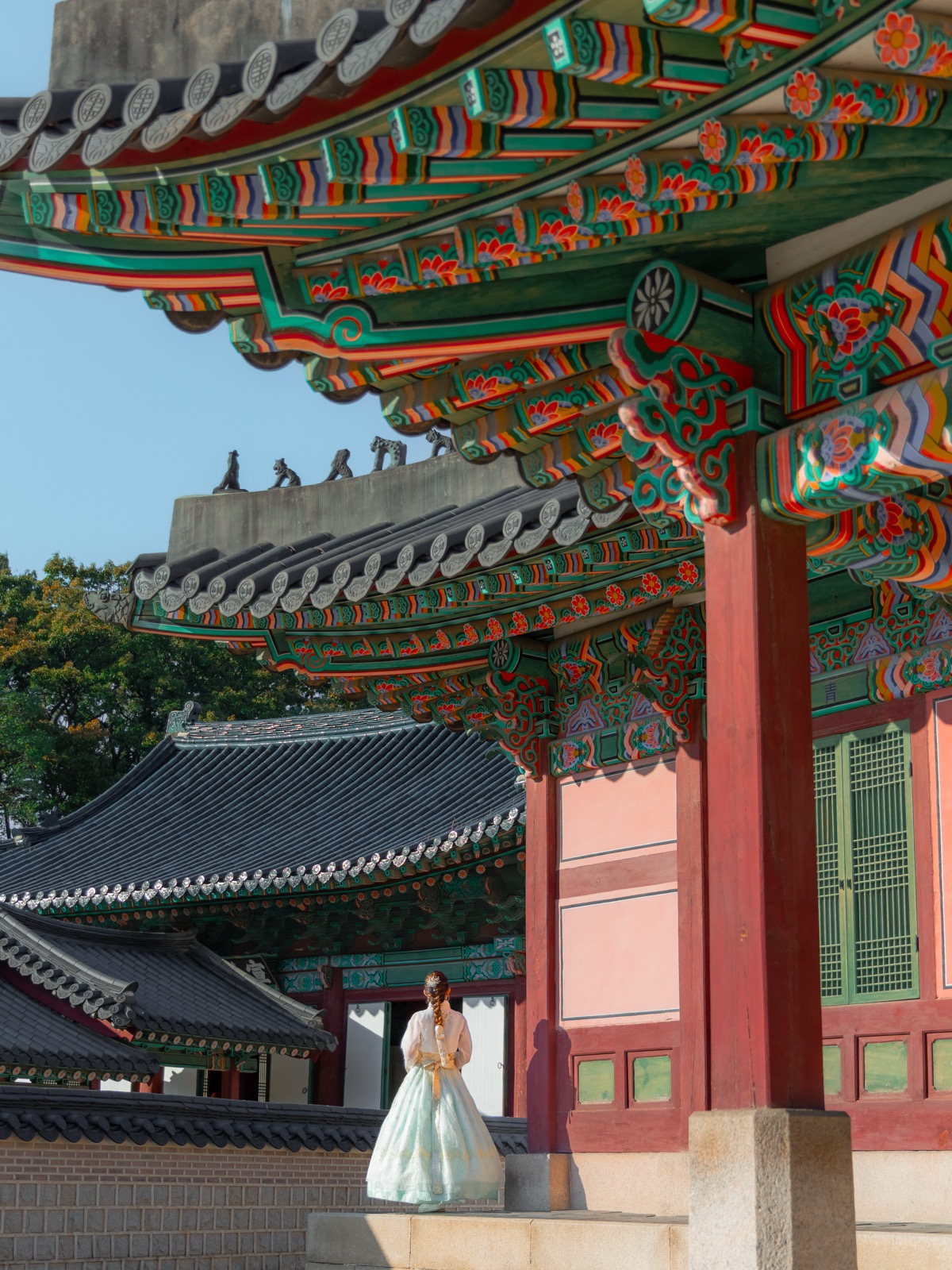
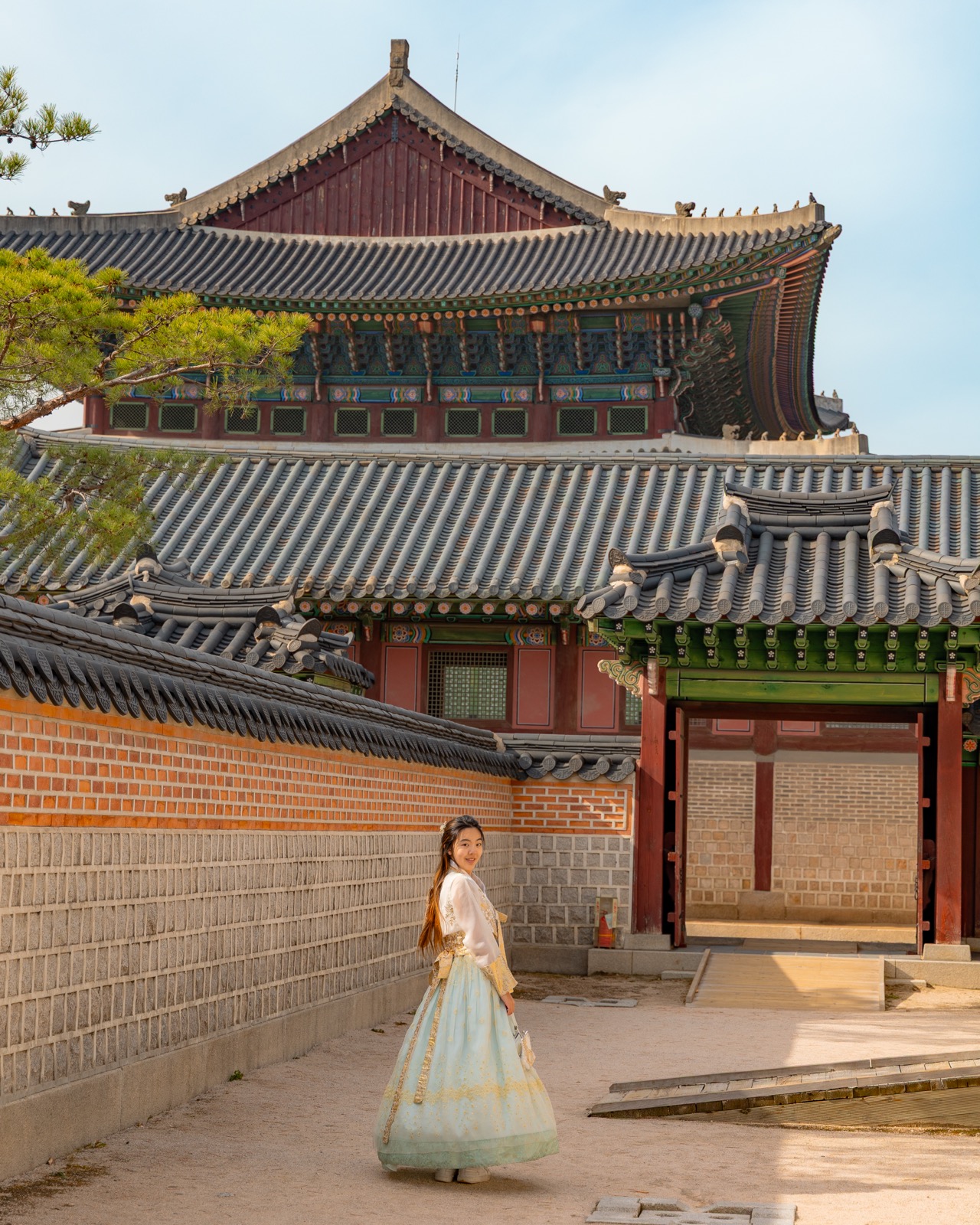
Start your trip with the historic side of Seoul. Head to Gyeongbokgung Palace first thing in the morning. It opens at 9:00 a.m. and the earlier you arrive, the better the photos. This is the largest of Seoul’s five palaces and it’s stunning. Don’t miss the changing of the guard ceremony at the main gate, Gwanghwamun, which happens at 10:00 a.m. and 2:00 p.m.
If you want to wear a hanbok (traditional Korean dress), rent one from one of the many shops near the palace. You get free admission to the palaces while wearing a hanbok, and the photos are worth it. Most rental shops offer 2-hour and 4-hour options starting around 15,000–20,000 won.
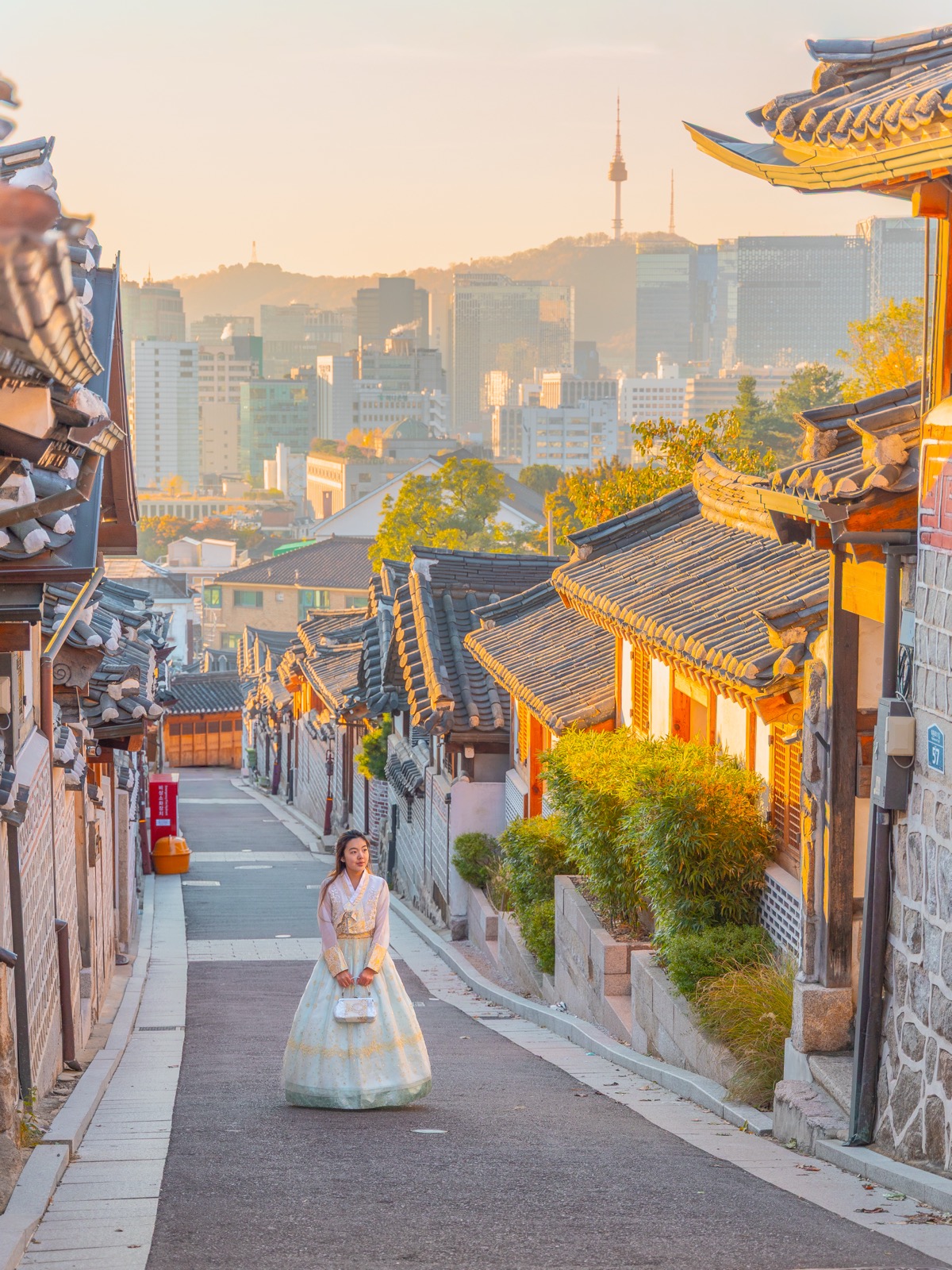
From Gyeongbokgung, walk to Bukchon Hanok Village. It’s a residential neighborhood of traditional Korean hanok houses on a hillside between Gyeongbokgung and Changdeokgung palaces. The narrow alleys and traditional rooftops with the city skyline behind them are beautiful. Just keep in mind that people actually live here, so be respectful with noise and photos.
Next, head to Changdeokgung Palace and its Secret Garden. I actually liked Changdeokgung even more than Gyeongbokgung. The Secret Garden tour is an additional 5,000 won but it’s worth it. It’s a guided tour through the palace’s rear gardens with pavilions, ponds, and centuries-old trees. Tours run at set times and fill up, so book ahead on the palace website or via GetYourGuide.
👘 Doing the palace day in hanbok? Here’s my full guide to Seoul’s royal palaces and renting a hanbok, with tips on which palaces are worth your time and how the hanbok gets you into both for free!
For late afternoon, walk over to Ikseon-dong. This is a tiny neighborhood of renovated hanok buildings that have been turned into cafes, restaurants, and boutiques. It’s compact enough to explore in an hour or two, and it’s one of the most charming spots in Seoul. Grab a pastry at one of the hanok cafes and wander.
For dinner, head to Gwangjang Market. This is Seoul’s oldest and largest traditional market, and the street food section is incredible. Get the bindaetteok (mung bean pancakes), mayak gimbap (addictive mini rice rolls, the name literally means “drug kimbap”), and the yukhoe (Korean raw beef tartare) if you’re feeling adventurous. The market has been around since 1905 and it’s packed with energy.
Day 2: Seongsu-dong, Cafes, and K-Beauty
Today is all about Seoul’s trendiest neighborhood and the café/shopping scene. Start your morning in Seongsu-dong, which has completely taken off in the last couple of years. It’s Seoul’s version of Brooklyn, with converted warehouses turned into great cafes, pop-up stores, and showrooms.
Start with Cafe Onion Seongsu, one of the most famous cafes in all of Seoul. It’s housed in a converted industrial building and the pastries are excellent. The space itself is worth seeing even if you don’t eat anything. Get there early because it gets crowded fast.
Walk around Seongsu-dong and pop into whatever catches your eye. Amore Seongsu is a must if you’re into K-beauty. It’s Amorepacific’s flagship showroom and it’s gorgeous inside. You can test products, get samples, and enjoy the space.
For lunch, grab something in Seongsu-dong. There are tons of options from Korean fusion to pasta to traditional Korean food.
In the afternoon, head to Myeongdong for K-beauty shopping. This is where you’ll find the biggest Olive Young stores (Korea’s version of Sephora but way more fun). Stock up on sheet masks, sunscreens, serums, whatever you’re into. The prices here are significantly cheaper than what you’d pay for the same products back home.
This is also a great day for the unique Korean experiences that you can’t get anywhere else. Book a 12-step scalp treatment at a salon. It’s one of the most relaxing things I’ve done in Korea and it cost around 30,000–40,000 won. If you’re into fashion, book a color analysis session (they’ll tell you your color season and which colors suit you best) or a skeletal analysis (they analyze your body proportions and recommend styles). These are hugely popular in Korea and there are English-speaking analysts available. Book well in advance because the good ones fill up weeks ahead.
For the evening, head to Hongdae. This is Seoul’s university/nightlife neighborhood with street performers, shopping, and a ton of restaurants. It’s the most energetic part of Seoul at night. Have dinner here and explore the shops and street art.
Day 3: N Seoul Tower, Starfield Library, and DDP
Start your morning with a trip up N Seoul Tower on Namsan Mountain. You can take the Namsan Cable Car up (12,000 won round trip) or hike up if you’re feeling active. The views from the top are the best panoramic views of Seoul. The tower itself has an observation deck (16,000 won) and it’s especially pretty at sunset, but mornings are great for clear views.
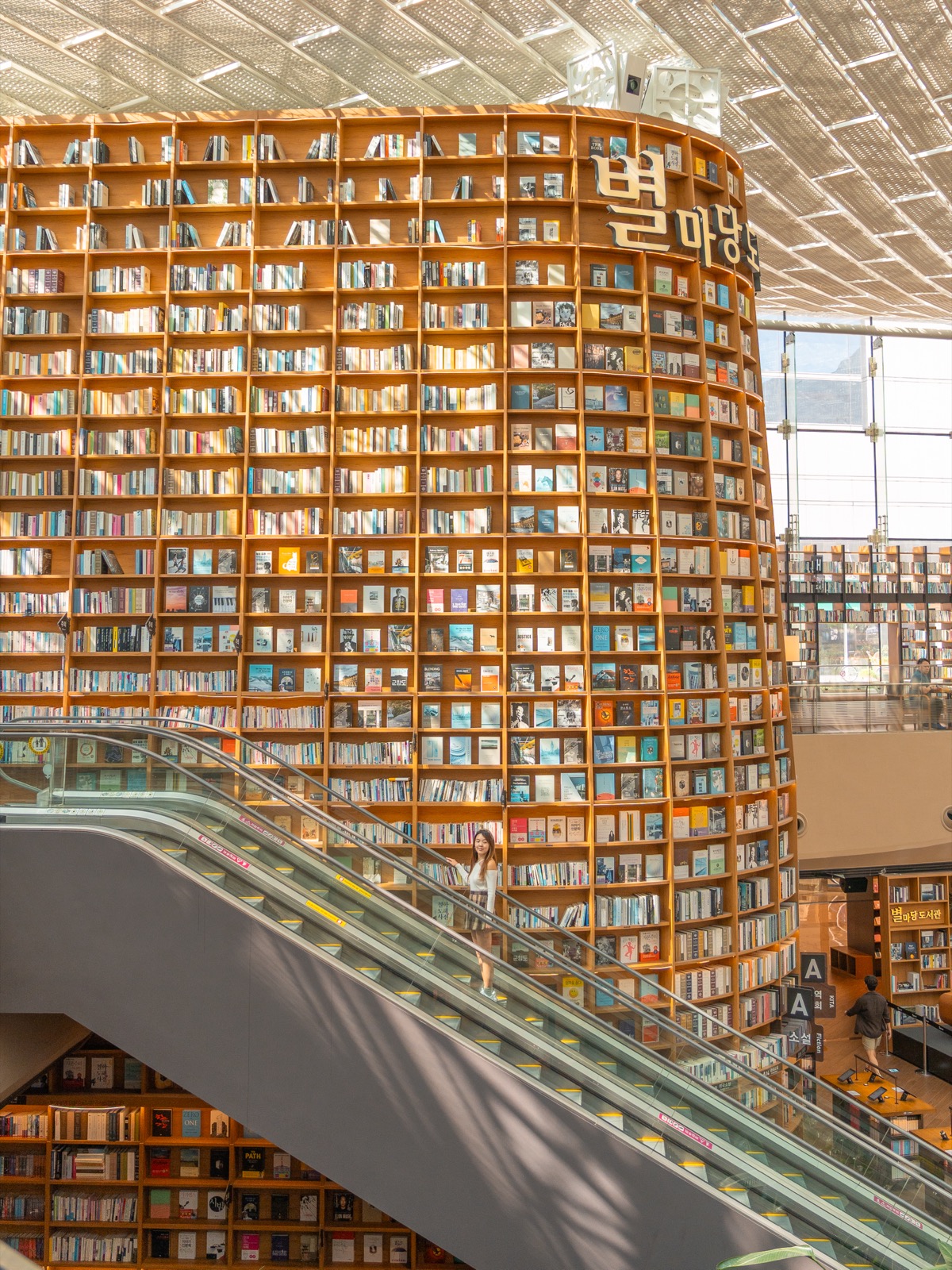
Head to COEX Mall in Gangnam for the Starfield Library. I know, a library in a mall sounds strange, but this place is impressive. It’s a massive open-air library with towering bookshelves that go up two stories. Even if you don’t read anything, the space is beautiful and worth seeing.
While you’re in Gangnam, grab lunch in the area. There’s no shortage of good food around COEX.
In the afternoon, visit Cafe Layered in Hannam-dong. It’s a multi-story cafe in a converted building with different vibes on each floor. The interiors are beautiful and the drinks are great. Nudake in Dosan is another one worth hitting. It’s a dessert concept space by Gentle Monster (the sunglasses brand) and the desserts are as photogenic as they are good.
If you haven’t tried a jjimjilbang (Korean bathhouse/spa) yet, tonight is a great night for it. Dragon Hill Spa in Yongsan is one of the most popular ones for tourists. It’s open 24 hours and has everything from hot tubs and saunas to a rooftop pool and a salt room. Admission is around 15,000–20,000 won. I’d recommend going in the evening and spending at least 2–3 hours. It’s the most Korean thing you can do.
End the night at Dongdaemun Design Plaza (DDP). Designed by Zaha Hadid, this building looks like a spaceship and it’s even more impressive at night when it’s all lit up. Walk around the exterior, check out whatever exhibition is on, and enjoy the futuristic vibes.
Day 4: Remaining Cafes, Food, and Flex Time
Your last day in Seoul is for catching anything you missed and doing more of what you loved. Start with any cafes you haven’t hit yet.
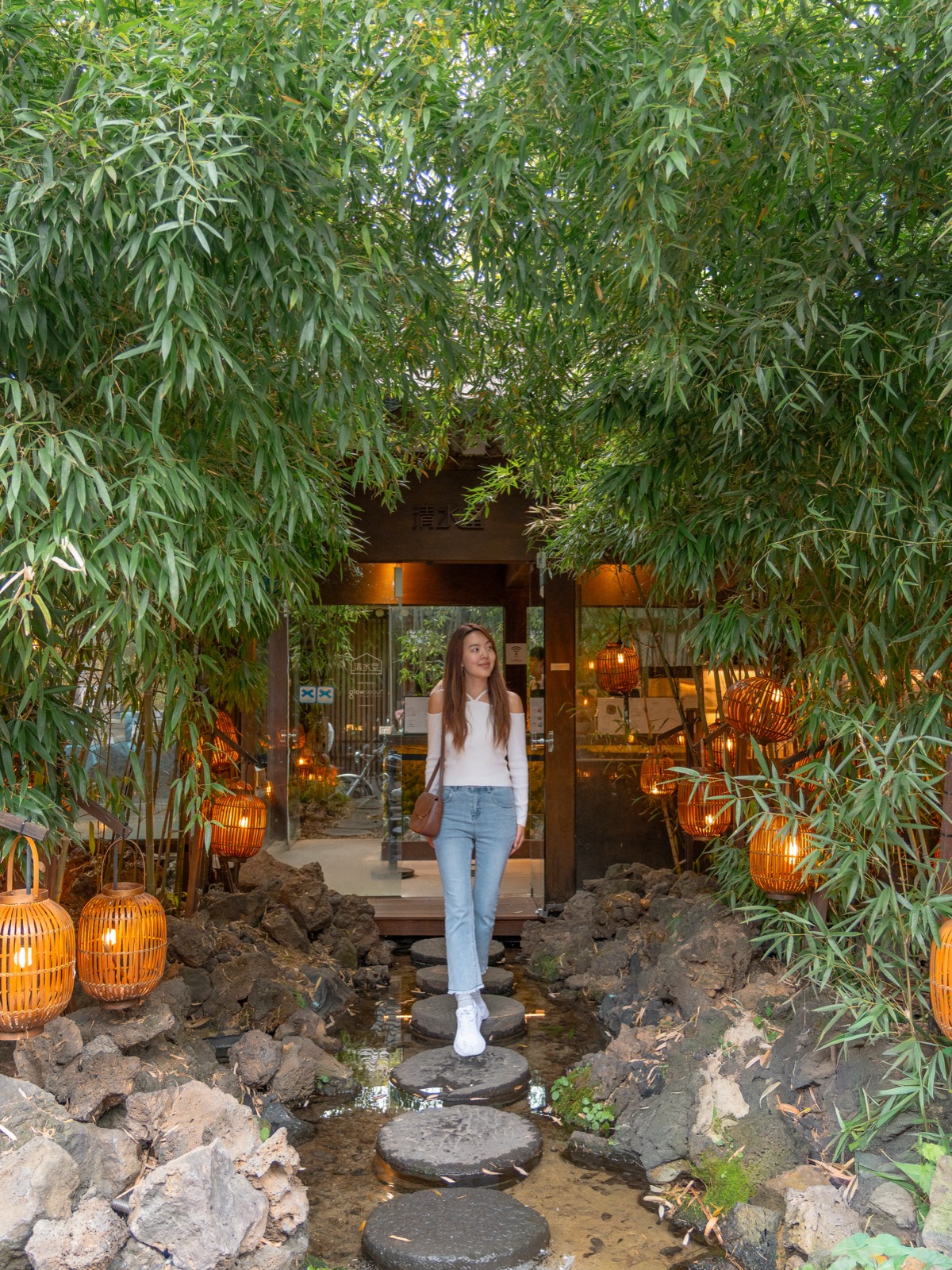
Cheongsudang is known for their strawberry croffles and traditional Korean-style desserts in a beautiful space. Soha Salt Pond has a salt room cafe concept that’s unique to Korea.
For lunch, if you haven’t had proper Korean BBQ yet, today is the day. Find a local spot (not a tourist one) and get the samgyeopsal (pork belly) or hanwoo (Korean beef, it’s expensive but worth trying once). The experience of grilling your own meat at the table with all the banchan (side dishes) is one of the best meals you’ll have in Korea.
Spend the afternoon doing whatever called to you most. More shopping in Myeongdong? More cafes in Seongsu-dong? A temple you spotted from the bus? Some of my best finds in Seoul were things I stumbled into without planning.
Getting to Busan: Take the KTX from Seoul Station to Busan Station. It’s about 2.5 hours and tickets range from 53,000–59,000 won depending on the time. Book on Omio or the Korail app. I’d recommend taking an evening train so you have the full day in Seoul and arrive in Busan ready for the next morning.
If you’re doing the 12-day itinerary, take a morning KTX from Seoul to Jeonju first (about 1.5 hours) for the optional detour below, then continue on to Busan after.
Jeonju — Optional Detour (1-2 Days)
If you have 12 days, slot Jeonju in between Seoul and Busan. It’s a small city that’s all about tradition, food, and hanok architecture, and one of my favorite little detours I’ve taken in Korea. I’d recommend staying in a hanok guesthouse in the Hanok Village for the full experience (search on Agoda). The village is beautifully lit up after dark and much quieter than during the day.
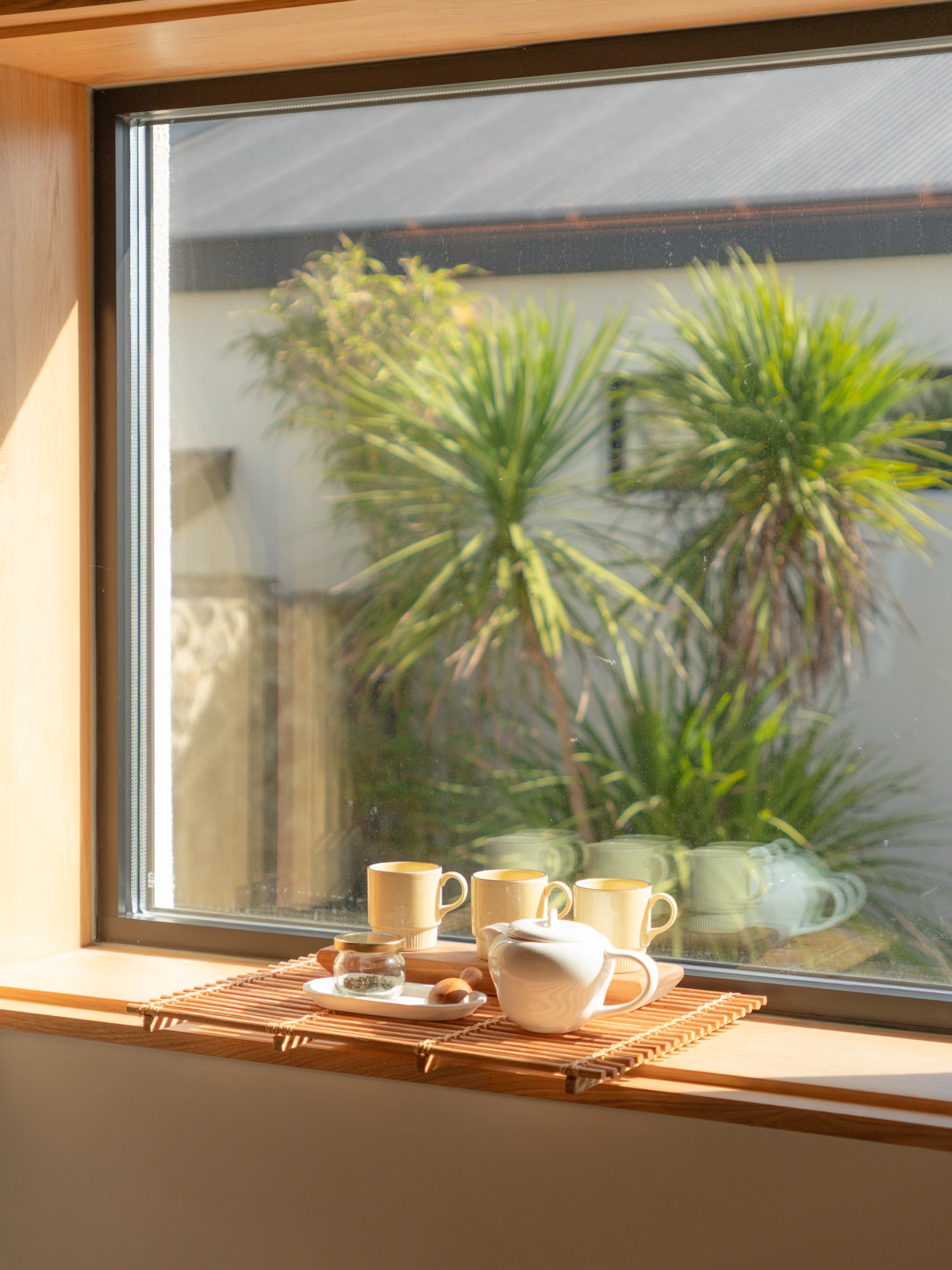
Start your morning in Jeonju Hanok Village, the largest collection of traditional hanok houses in Korea. Over 700 hanok buildings are packed into this neighborhood, and unlike Bukchon in Seoul, the village here is set up for visitors with restaurants, craft shops, and cultural experiences on every street. It’s charming, colorful, and easy to walk in a day.
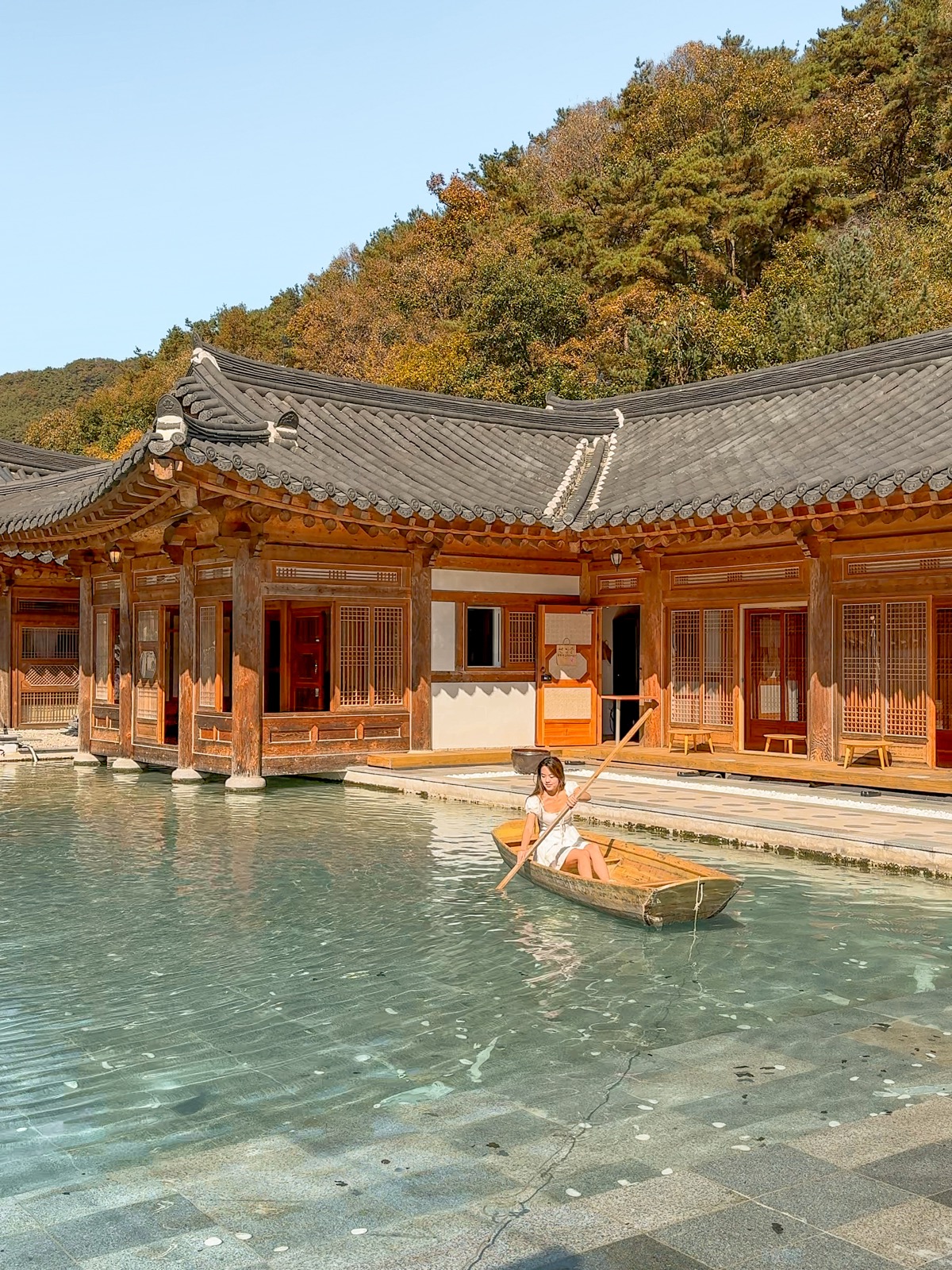
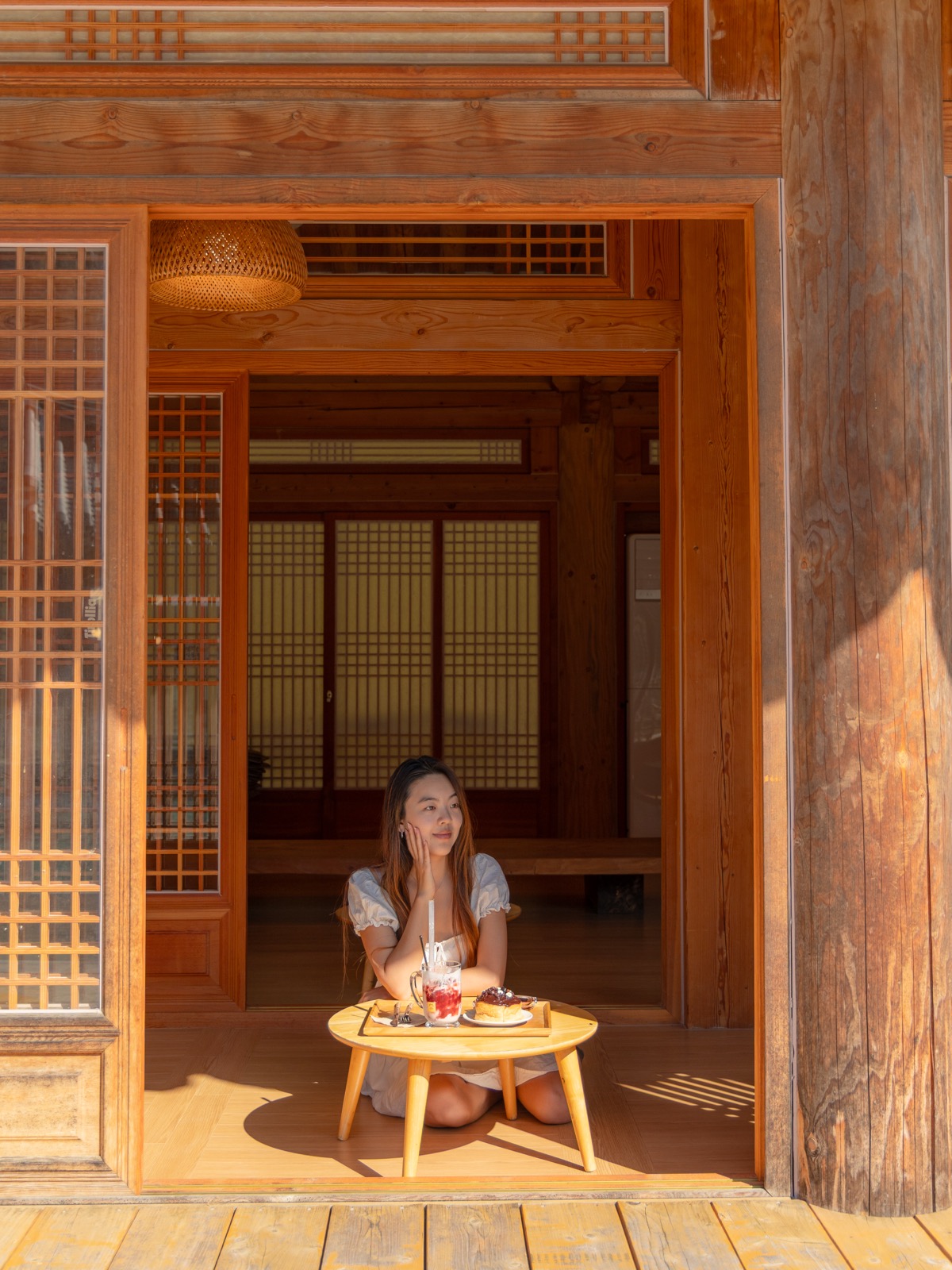
The cafe to plan your visit around is Café Tirol. It’s a hanok cafe set around a still reflecting pool with a tiny wooden boat you can actually row, and the autumn foliage around it is gorgeous. Sit in the doorway with a tea and dessert tray on a low table and just take it in.
Jeonju is the birthplace of bibimbap, and the version here is different from what you get anywhere else. It uses local bean sprouts, raw beef (yukhoe), and a special gochujang that’s unique to the region. Worth ordering at least once while you’re in town, and it’s only around 12,000–15,000 won.
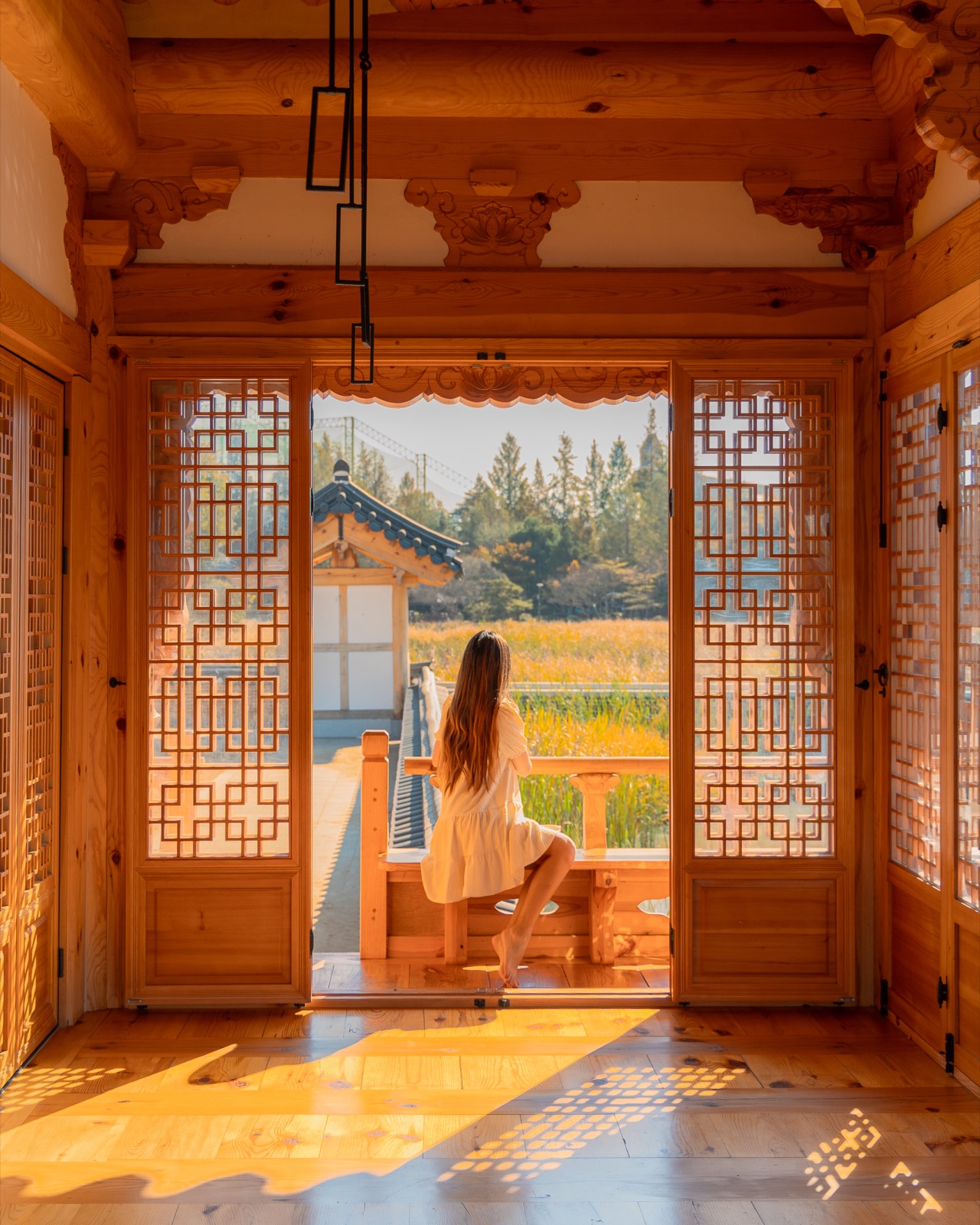
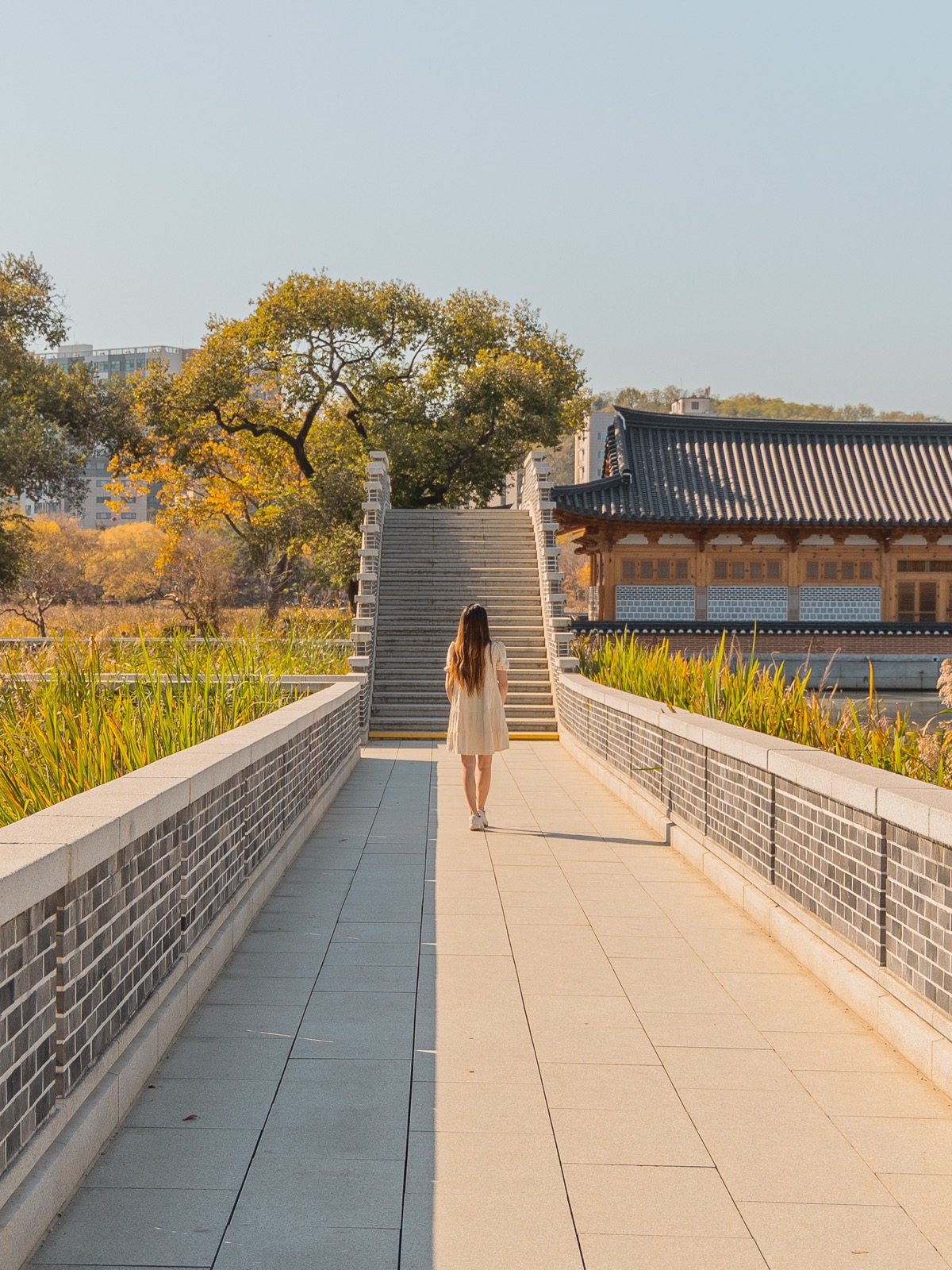
The other spot worth your time is Deokjin Park, a quiet pond ringed by traditional pavilions and a stone bridge that’s especially pretty in fall. The Deokjin Library nearby is a small hanok-style reading room where you can sit on the floor and look out through wooden latticed doors at the foliage outside. I would leave time to sit inside the library and look through the wooden latticed doors at the pond and fall foliage.
Getting to Busan from Jeonju: The express bus is the most direct option, taking about 3 hours from Jeonju Express Bus Terminal to Busan’s Sasang or Nopo terminal. KTX with a transfer in Iksan is also an option but takes about the same time. Buses run frequently throughout the day.
Busan — 3 Days
Busan is a great contrast to Seoul. It’s a beach city with colorful neighborhoods, incredible seafood, stunning temples, and a totally different energy. Three days covers the main spots well.
Day 1: Gamcheon Village, Jagalchi Market, and Gwangalli Beach
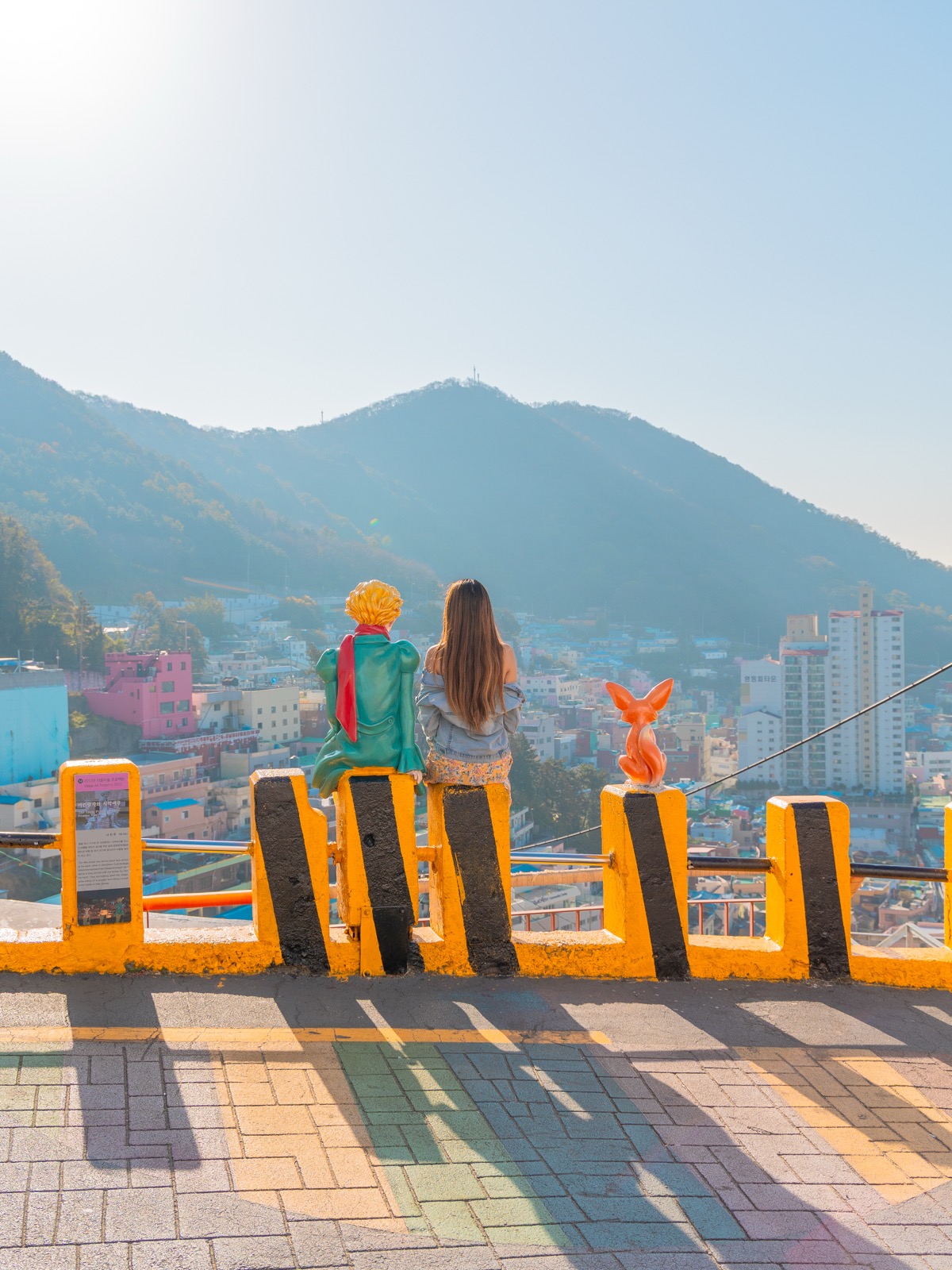
Start your first morning in Busan at Gamcheon Culture Village. This is the colorful hillside village you’ve probably seen all over social media, and it’s even more vibrant in person. Rows of brightly painted houses stacked up a hillside with murals, art installations, and little shops throughout. Get there early (before 10:00 a.m.) to avoid the biggest crowds. The village is free to enter, and you can grab a stamp map at the entrance for 2,000 won that guides you to all the major art installations.
For lunch, head down to Jagalchi Fish Market, the largest seafood market in Korea. The ground floor is a massive fresh fish market where you can pick your own fish and have it prepared upstairs at the restaurant floor. It’s an experience even if you’re not a huge seafood person. The sashimi here is so fresh and way cheaper than what you’d pay in a restaurant.
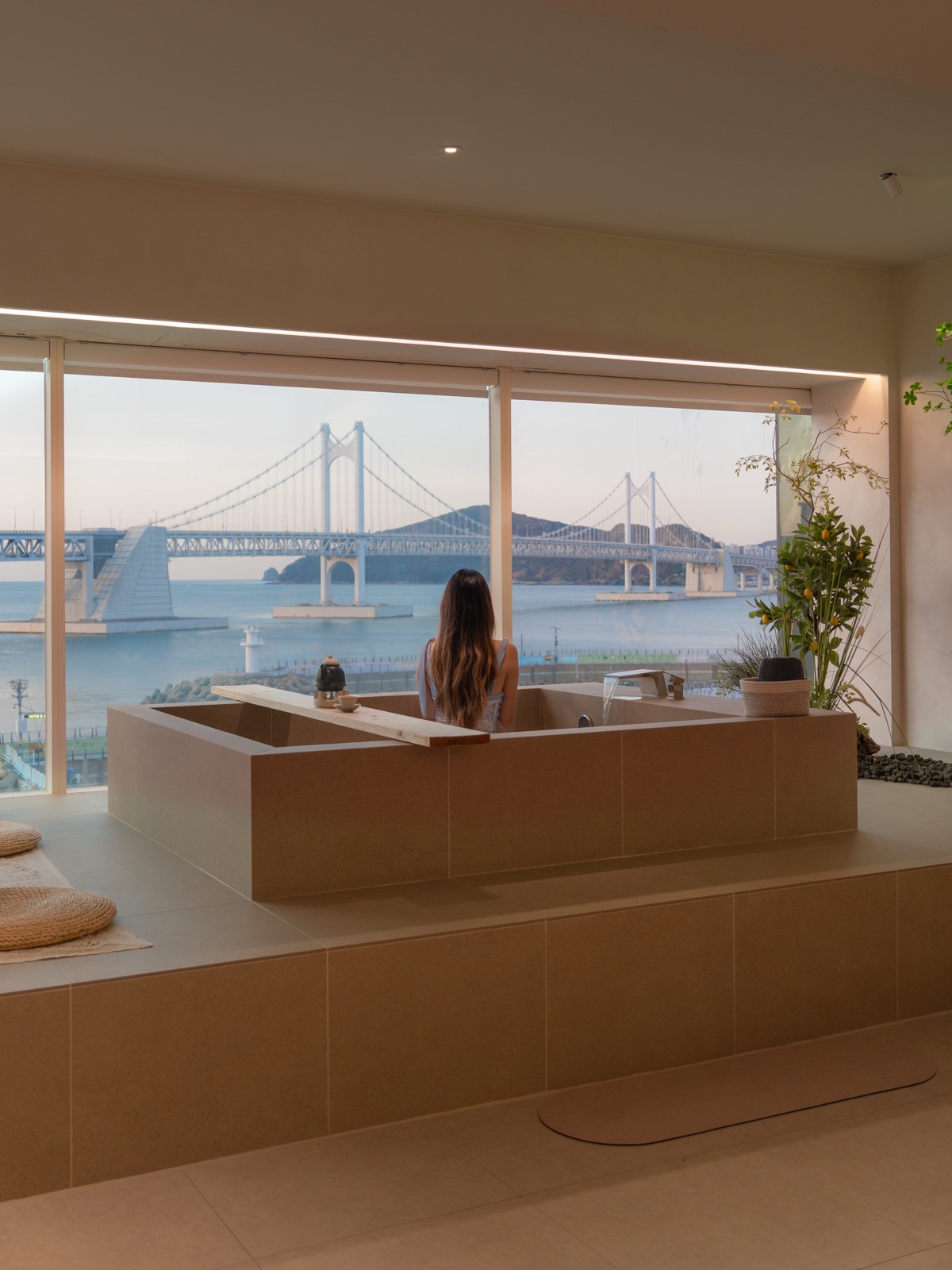
In the afternoon, head to Gwangalli Beach. The beach itself is nice for a walk, but the real draw is the view of Gwangan Bridge, especially at night. The bridge lights up in different colors and patterns after sunset and it’s beautiful. There are tons of cafes and restaurants along the beachfront. Grab dinner here and watch the bridge light up as it gets dark.
Day 2: Haedong Yonggungsa, Sky Capsules, and Haeundae
Today is the east side of Busan. Start early at Haedong Yonggungsa Temple. This is a Buddhist temple built right on the ocean cliffs, and it’s one of the most unique temples I’ve ever seen. Most temples in Korea are in the mountains, so having one right on the coast with waves crashing below is really special. It opens at sunrise, and early morning is the best time both for photos and for avoiding crowds.
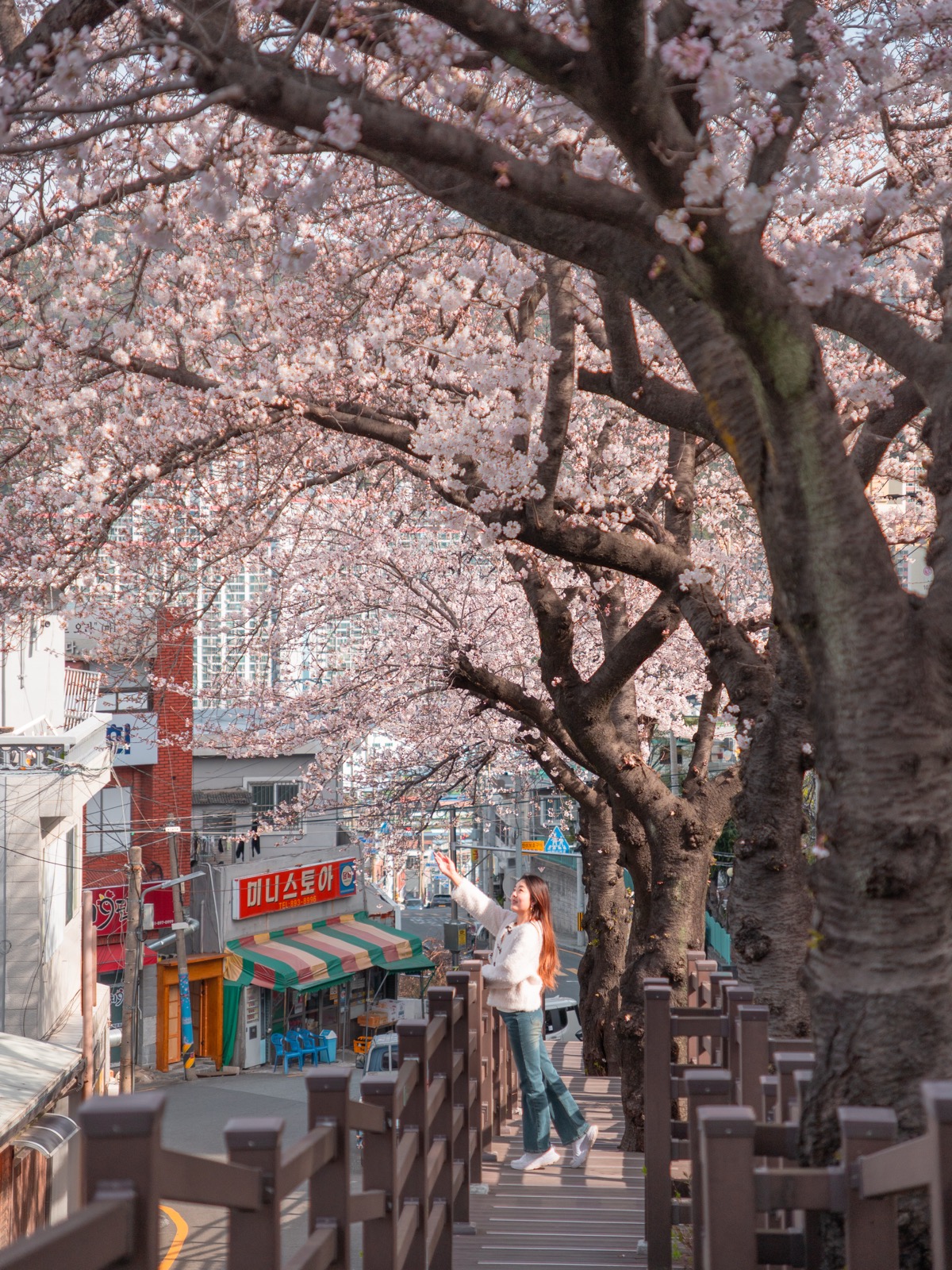
After the temple, head to Haeundae Beach, Busan’s most famous beach. It’s a long stretch of white sand with a great boardwalk. If you’re visiting during cherry blossom season, the streets near Haeundae are lined with cherry blossom trees and they’re gorgeous.
The main event today is the Sky Capsule ride along the Haeundae Blue Line Park. These are colorful little capsule cars that run on an elevated rail track along the coast, and the views are incredible. The ride goes from Mipo Station to Cheongsapo Station and takes about 30 minutes. Tickets are 35,000 won per capsule (fits 2–4 people) and you need to book in advance on Klook because they sell out. It’s touristy and I had a great time.
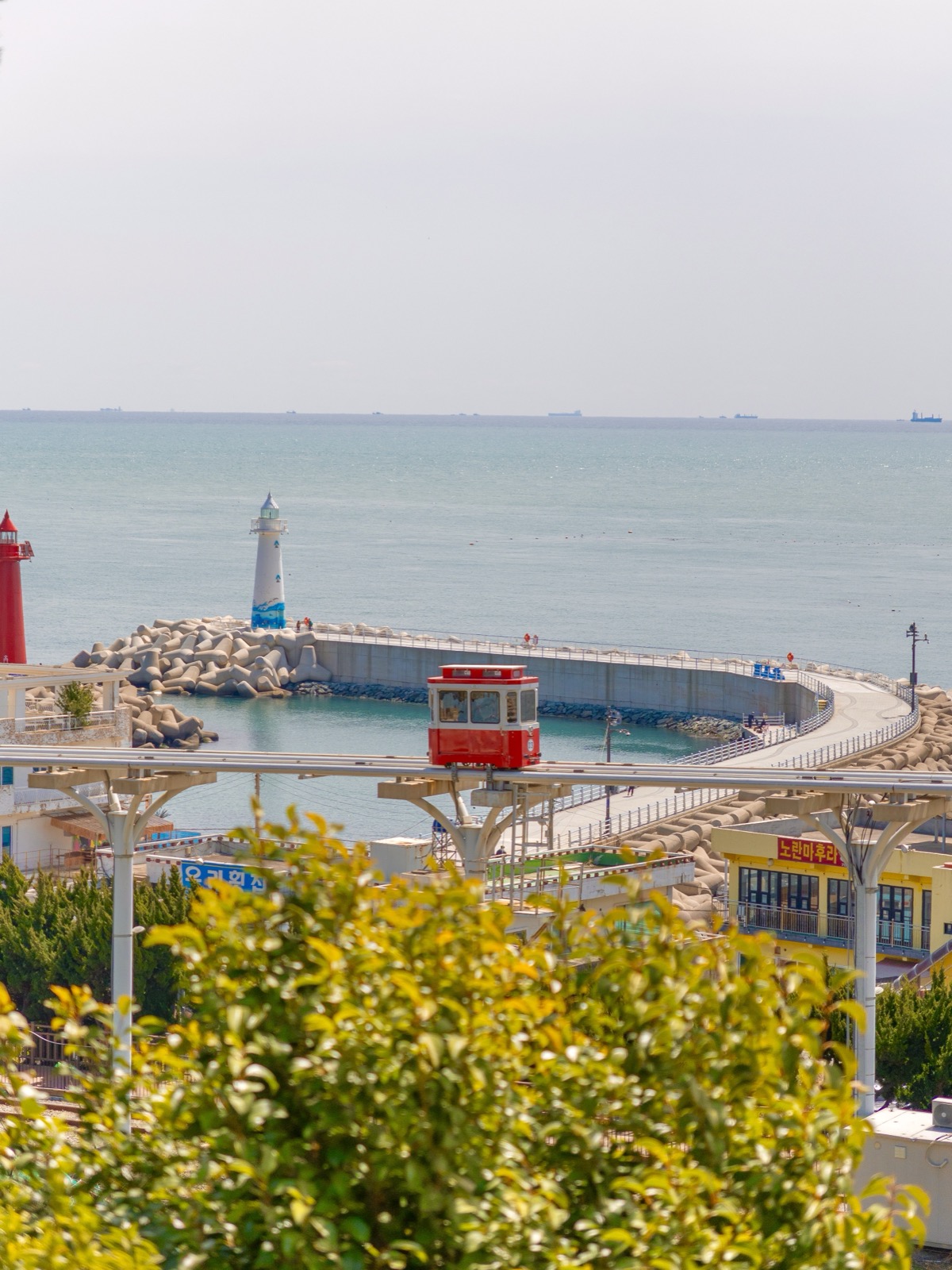
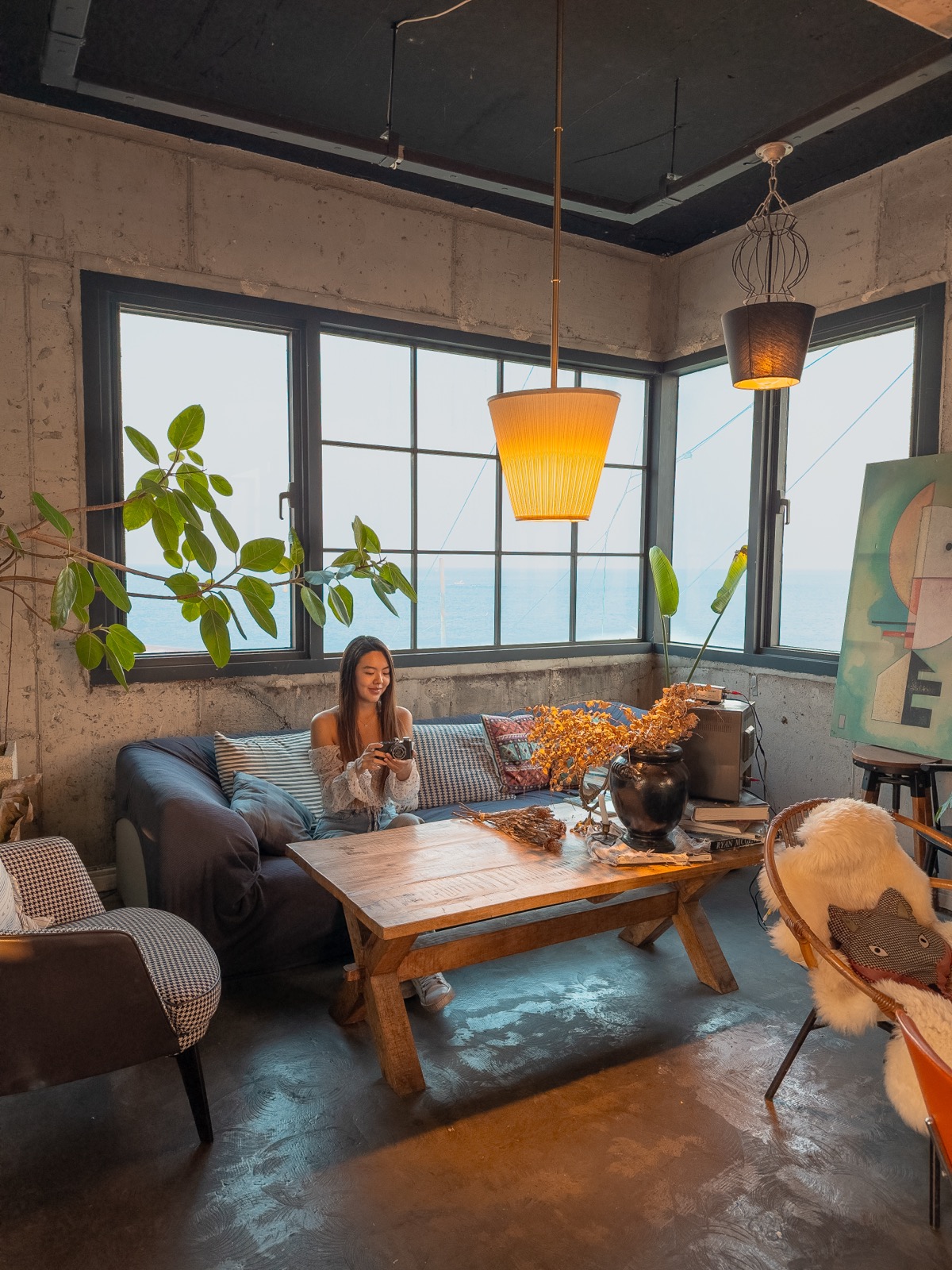
After the Sky Capsule, head to Cafe Rooftop in Cheongsapo. It’s a multi-story industrial-style cafe with floor-to-ceiling windows looking right out over the ocean and the Sky Capsule track, so you can sit with an Americano and watch the colorful capsules glide past on the cliffs below. It’s one of the most photogenic cafes I’ve visited in all of Korea.
For dinner, try the BIFF Square area in Nampo-dong for street food. It’s named after the Busan International Film Festival and the whole area is packed with food stalls. The hotteok (sweet filled pancakes) here are famous, especially the ones with seeds and nuts.
Day 3: Songdo Cable Car and Cherry Blossoms
Start your morning with the Songdo Cable Car. This is an aerial gondola that crosses over the water from Songdo Beach to an island viewpoint. The floor of some cabins is transparent glass, which is a bit intense but the views are worth it. Tickets are around 17,000–20,000 won for the round trip.
If you’re visiting during cherry blossom season, the afternoon is for cherry blossoms. Busan’s cherry blossoms tend to bloom about a week before Seoul’s, usually in late March to early April. Some of the best spots are along the Nakdong River and in Samnak Ecological Park. The trees here go on for kilometers and it’s way less crowded than the cherry blossom spots in Seoul or the Jinhae Cherry Blossom Festival nearby.
If it’s not cherry blossom season, spend the afternoon exploring Nampo-dong and the surrounding shopping streets, or revisit any spot you loved.
Getting to Jeju (10-day and 12-day itinerary): Fly from Gimhae Airport in Busan to Jeju Airport. Flights are about an hour and super cheap if you book in advance on Trip.com (often under 50,000 won on budget airlines like Jeju Air or Jin Air). It’s one of the busiest flight routes in the world so there are departures constantly.
If you’re doing the 7-day itinerary, take the KTX back to Seoul from Busan for your departure flight.
Jeju — 3 Days
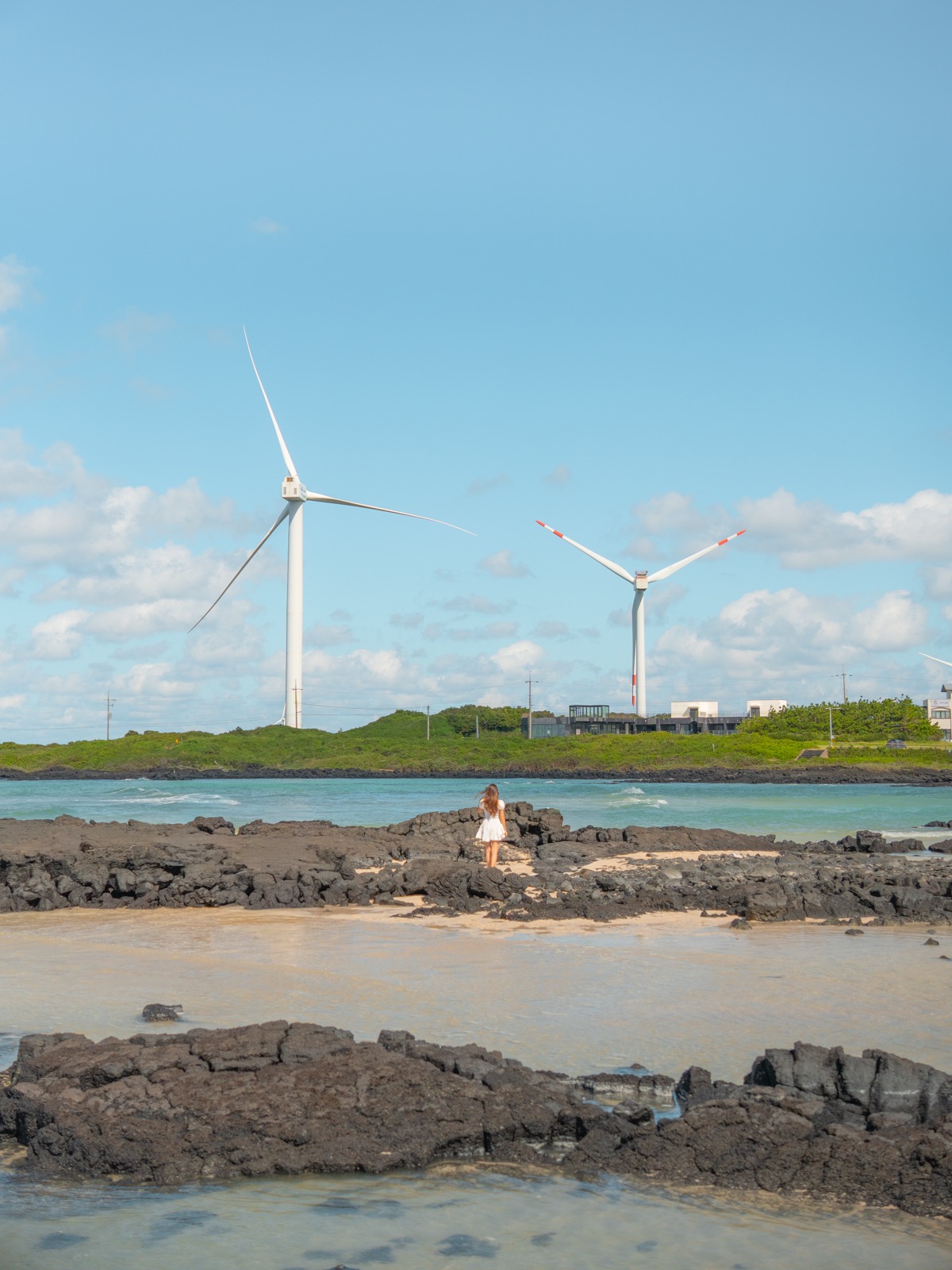
Jeju Island is volcanic and subtropical, with black-rock coastlines, waterfalls, beaches, and cafes overlooking the sea. You’ll need to rent a car or join tours, since public transit on Jeju is limited.
Day 1: Seongsan Ilchulbong and the East Side
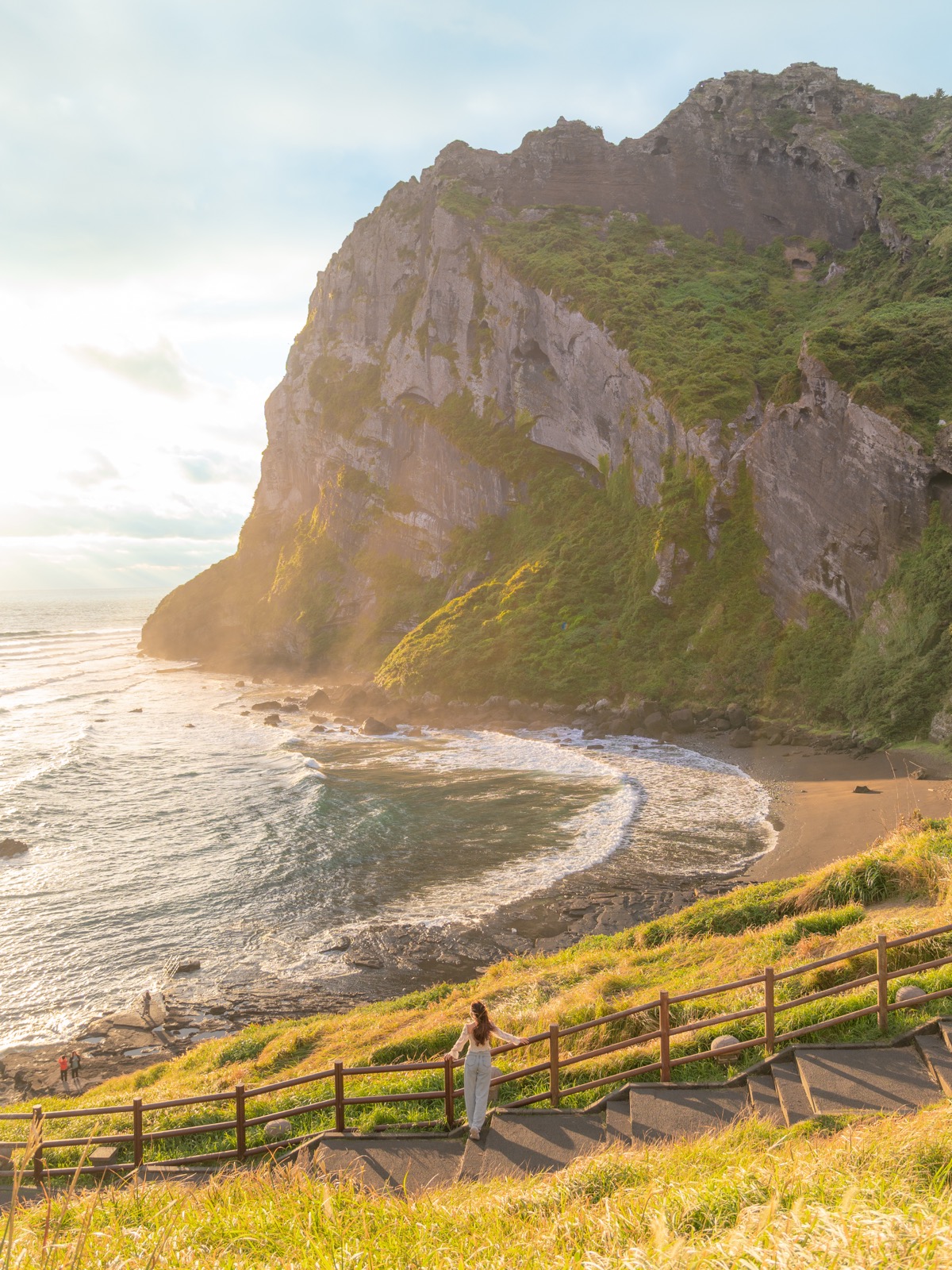
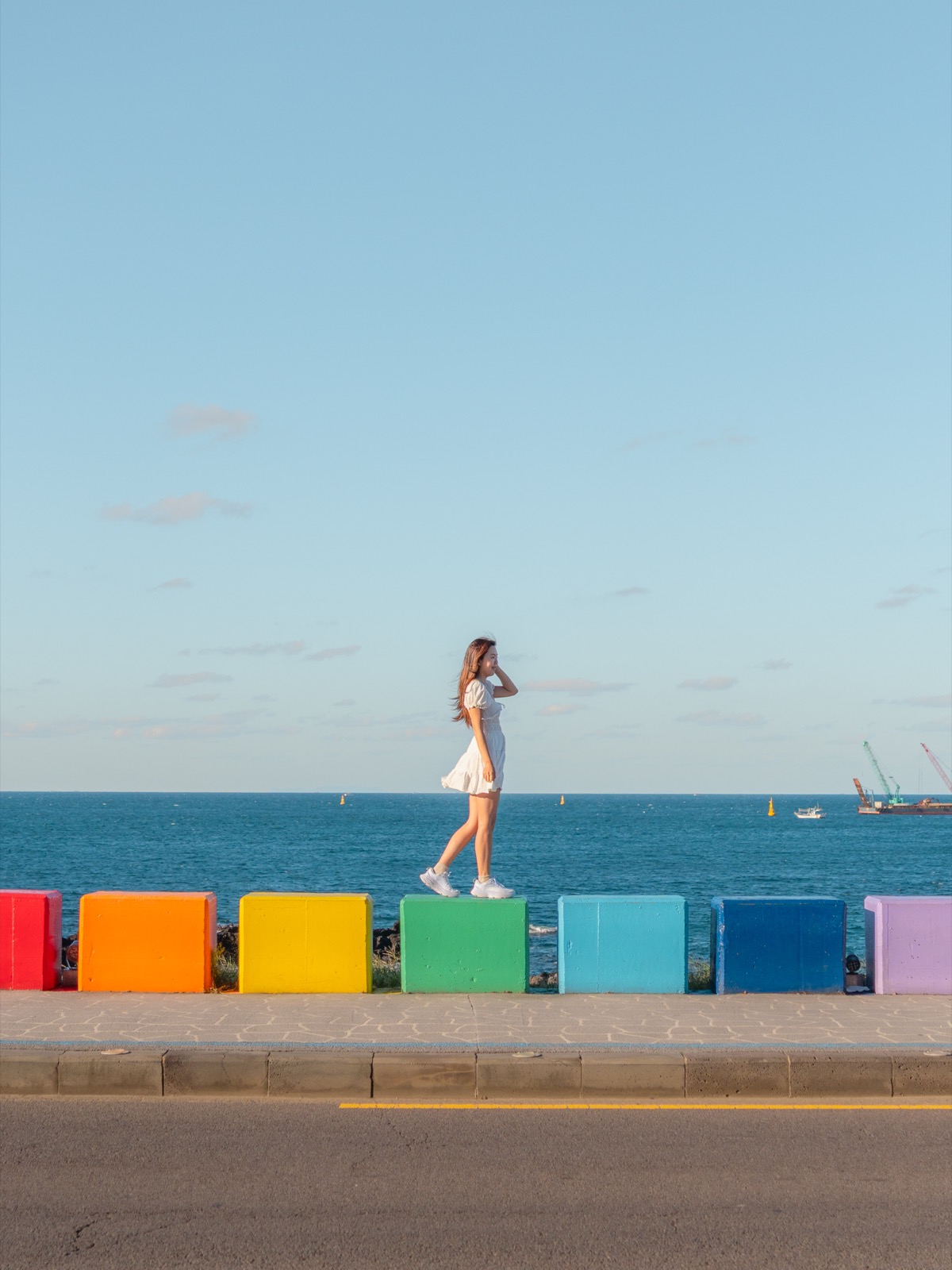
Wake up early for Seongsan Ilchulbong (Sunrise Peak). This is a volcanic crater right on the coast, and the sunrise from the top is one of Jeju’s most iconic views. The hike to the top takes about 25 minutes and it’s well-paved. Get there at least 30 minutes before sunrise. Entry is 5,000 won.
After sunrise, explore the east side of Jeju. Head to Seopjikoji, a coastal area with dramatic cliffs, bright yellow canola flowers (in spring), and a beautiful stone lighthouse. It was used as a filming location for several Korean dramas and it’s easy to see why.
In the afternoon, take a trip to Udo Island. It’s a small island off the east coast of Jeju that you reach by a 15-minute ferry from Seongsan Port (round trip around 8,500 won). Udo is famous for its peanut ice cream, turquoise water, and laid-back atmosphere. You can rent an electric scooter or bike to get around the island. Spend a few hours here and catch the ferry back before sunset.
Day 2: O’Sulloc, Orange Cafes, and the South Coast
Today is for the south and central parts of Jeju. Start at O’Sulloc Tea Museum, the most popular tea destination on the island. It’s surrounded by rolling green tea fields and the museum itself has tea tastings, a beautiful gift shop, and a cafe with matcha everything. The green tea ice cream is a must. Innisfree Jeju House is right next door if you want more K-beauty shopping.
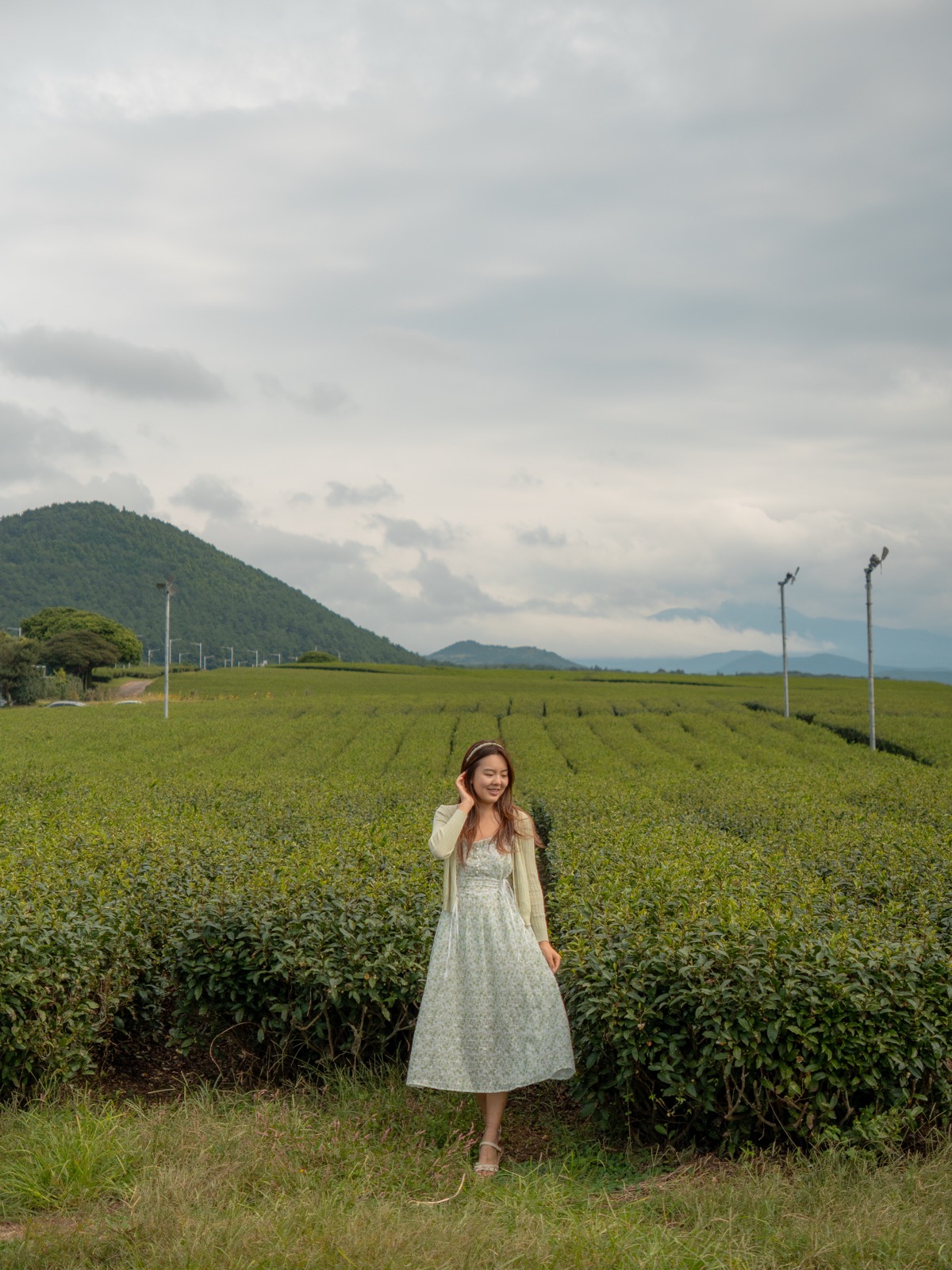
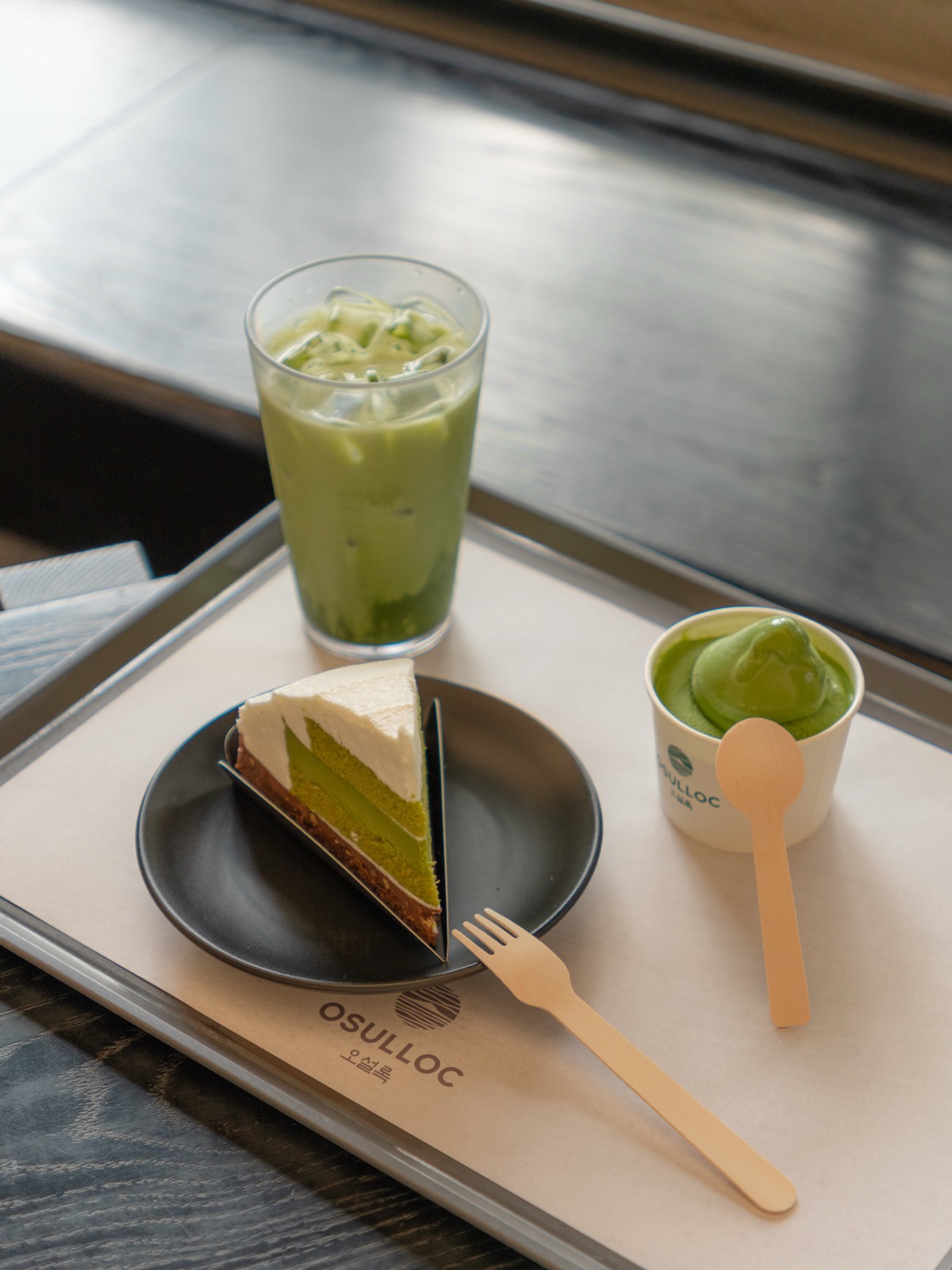
After O’Sulloc, explore some of Jeju’s famous orange cafes. Jeju is known for its hallabong oranges (a tangerine hybrid) and there are cafes all over the island serving fresh-squeezed orange juice, orange cakes, and tangerine-themed everything. They’re cute, colorful, and very Jeju.
If you have time, visit Manjanggul Lava Cave, one of the longest lava tubes in the world. It’s about a 1km walk through the cave and it’s an eerie, cool (literally, bring a layer) experience. Entry is 4,000 won.
For dinner, you have to try Jeju black pork. It’s raised on the island and it’s some of the best pork I’ve ever had. Jeju black pork BBQ restaurants are everywhere. Black Pork Street (Heukdwaeji-geori) near Jeju City has a whole strip of them. Expect to pay around 15,000–20,000 won per serving.
Day 3: Hallasan and Departure Prep
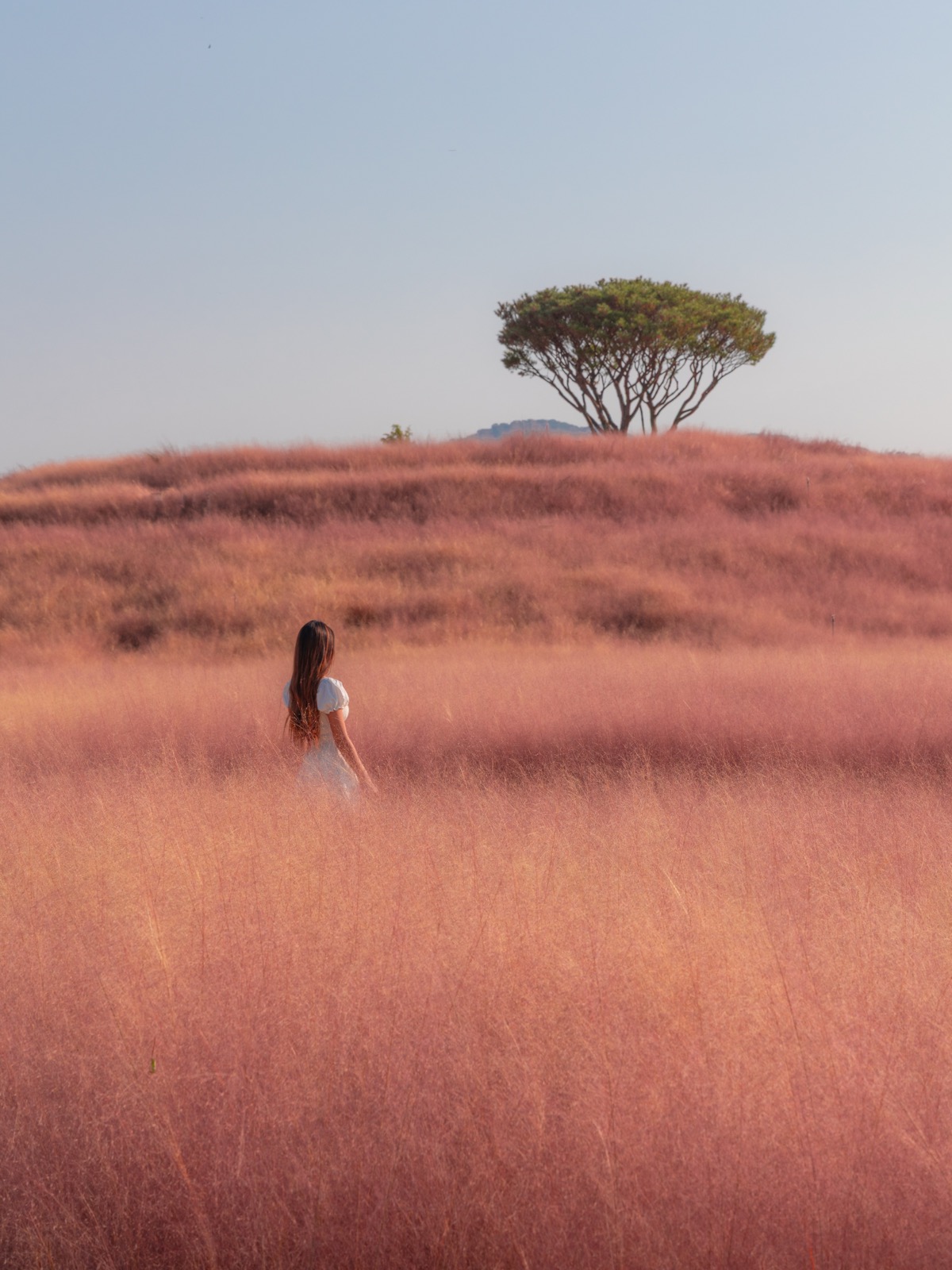
If you’re up for a hike, Hallasan is South Korea’s highest peak at 1,950 meters and it’s right in the middle of Jeju. There are several trails of varying difficulty. The Eorimok Trail (about 3 hours round trip) is the most accessible and takes you through beautiful forest without doing the full summit. The Yeongsil Trail is another good option with dramatic volcanic rock formations near the top.
If hiking isn’t your thing, spend the morning at any spots you missed or revisit your favorite cafe. Jeju is the kind of place where you can drive along the coast and stop wherever looks interesting.
Getting back to Seoul: Fly from Jeju Airport back to Seoul (Gimpo or Incheon, depending on your departure flight). Flights are about an hour and run all day.