This post may contain affiliate links. See my disclosure for details.
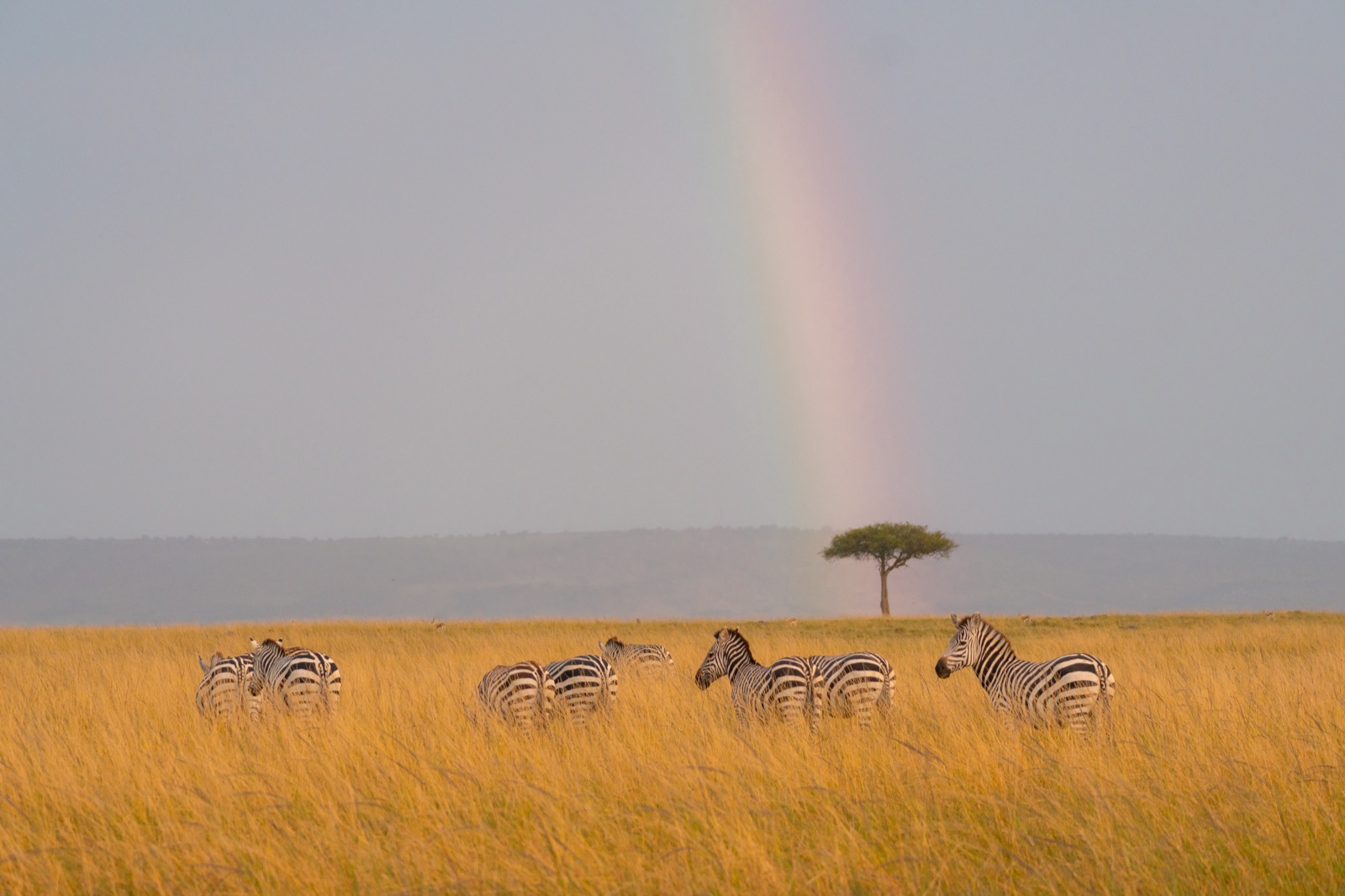
Before my first African safari, I had watched wildlife documentaries and The Lion King enough to think I knew what the landscapes would feel like. I pictured wide golden plains, acacia trees, and animals I had only ever seen on a screen, but I was not prepared for my first zebra. Standing in the grass with those perfect black-and-white stripes, it got me ridiculously excited. It was a zebra! Seeing it in this huge, warm landscape made the whole childhood idea of safari real.
By the end of our nearly two-week Kenya and Tanzania trip, zebras had become so common that we barely stopped the vehicle for them. That change is one of the things I loved most about safari. The animals that feel impossible on your first morning become part of the landscape, and then something unexpected, such as zebras crossing a small stream, brings all that wonder back again.
Kenya gave me three very different versions of safari. Masai Mara had the classic grasslands, big cats, giraffes, and huge herds I had pictured for years. Amboseli gave me elephants moving through the dust with Mount Kilimanjaro behind them at sunset. Lake Nakuru was quieter and greener, with pelicans gathering along the water and a gentler pace between the bigger safari days. If you’re deciding where to go on safari in Kenya, I would build around the experience you care about most rather than trying to collect every park name.
This guide covers the Kenya safari parks I visited, how I would pace the route now, and what each park was actually like when the animals did not follow our plan.
Kenya safari parks at a glance
| Park | Best for | Time | 2026 non-resident adult fee | My rating |
|---|---|---|---|---|
| Masai Mara | Classic safari wildlife and the Great Migration ecosystem | 3 nights | US$100 Jan-Jun; US$200 Jul-Dec | 9/10 |
| Amboseli | Elephants, Kilimanjaro, and landscape photography | 2 nights | US$90 per day | 9.5/10 |
| Lake Nakuru | Birds and a useful overland stop | 1 night | US$90 per day | 7.5/10 |
These are 2026 adult non-resident entry fees, so check the relevant authority before booking because fees and rules can change. Masai Mara is county-managed, while Amboseli and Lake Nakuru are Kenya Wildlife Service parks. Most guided safari prices include the entrance fee, but park fees are a significant part of the daily total, especially in the Mara during migration season.
Why Kenya is one of the best places for a first safari
I think Kenya is a wonderful first safari destination because the major parks are so visually distinct. You can spend a morning looking for lions and cheetahs across the open Mara, watching giraffes wander past acacia trees and zebras brighten up the grasslands, then later photograph elephants with Kilimanjaro behind them in Amboseli. Even when a game drive is quiet, there is still the color of the grass, a line of trees, a bird taking off from the water, or the mountain slowly appearing through the clouds.
It is also an easy trip to enjoy with a good guide. I strongly recommend booking a guided safari, especially for a first visit. Our guides were constantly talking over the radio, sharing sightings and adjusting the day as animals moved. That communication helped us find lions after a kill, even though they were already walking away by the time we arrived and their prey was still on the ground. It also meant that larger sightings could attract a cluster of safari vehicles very quickly. That was not always my favorite part of the experience, but it is the reality of visiting a famous park during a busy season.
Safari is not polished in the way a hotel brochure can make it look. Dust got everywhere, mornings were cold enough for a jacket, afternoons became hot, and parks sometimes closed earlier than I wanted when the sky was turning the prettiest shades of peach and pink. At the same time, we stayed in excellent lodges and ate excellent food, which made the long drives much easier. Bring layers, a face covering for the dust, and patience. You may spend hours waiting and still miss the animal you hoped to see.
Beyond the safari parks: Nairobi and Lake Elementaita
I would give yourself one day in Nairobi at the beginning of the trip instead of landing and immediately committing to a long drive. We stayed at Sarova Stanley, and having time to recover before the safari started made the route feel much more enjoyable. If you have the energy and an extra half-day, the Giraffe Centre or the elephant orphanage can be lovely additions, but I would not cram both in if a long flight has already taken it out of you.
Lake Elementaita was part of our opening route toward Lake Nakuru. I enjoyed the Rift Valley scenery and the pause between Nairobi and the bigger safari days, but it would be my first cut on a short itinerary. It makes more sense when you are driving overland and have room for a gentler beginning, not when every day needs to earn its place.
Masai Mara: Kenya’s iconic first safari
- ⭐ My rating: 9/10
- 🦁 Best for: Classic savanna wildlife, big cats, and the Great Migration ecosystem
- 📅 Recommended stay: 3 nights, with 2 full game-drive days
- 💵 2026 entrance fee: US$100 per non-resident adult per day from January through June, US$200 from July through December
- 📷 Photography: Wide grassland scenes, big cats in golden grass, and animal-filled horizons
- 👍 Would I return? Yes, especially for a first Kenya safari or a migration-focused trip
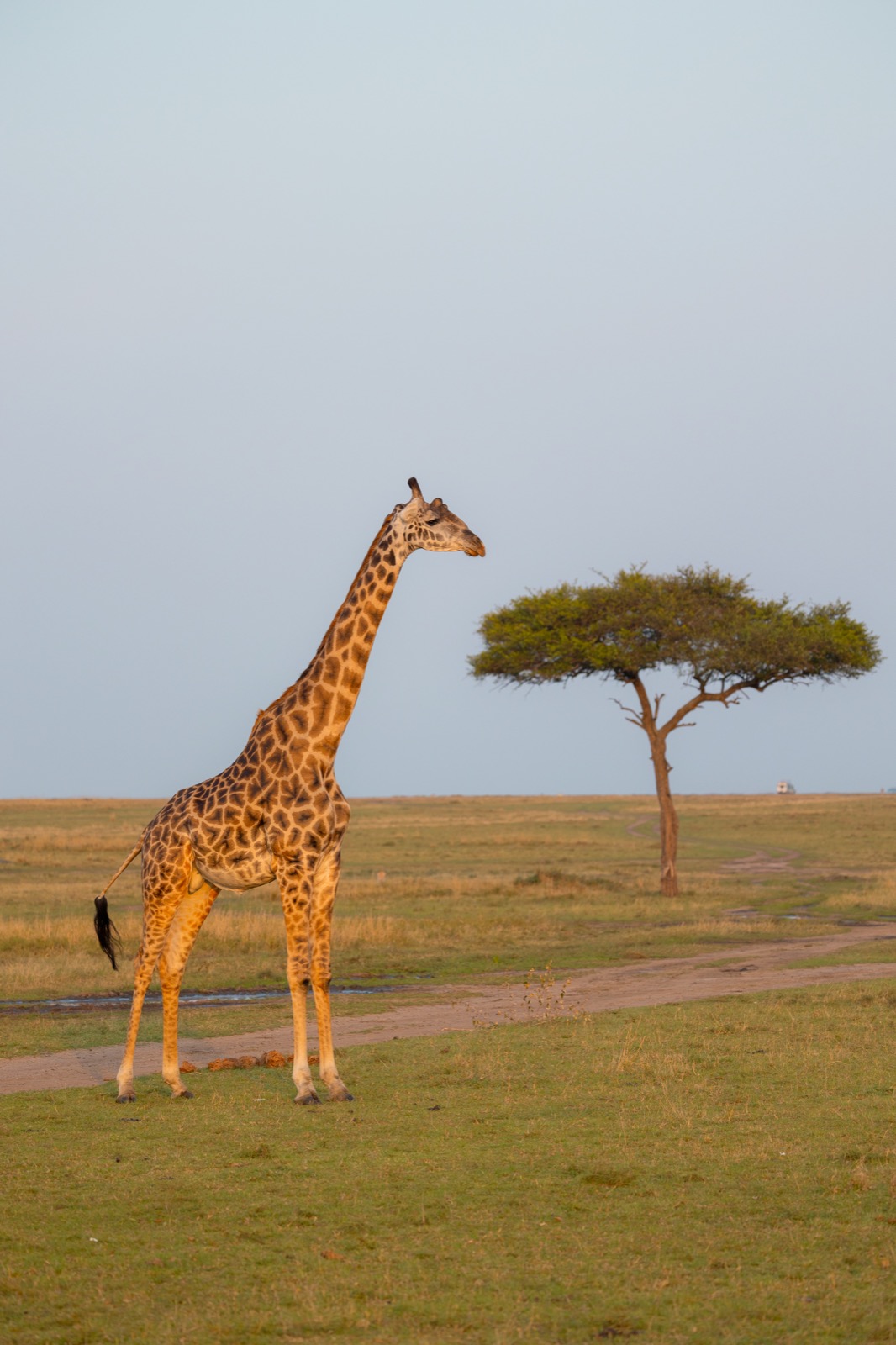
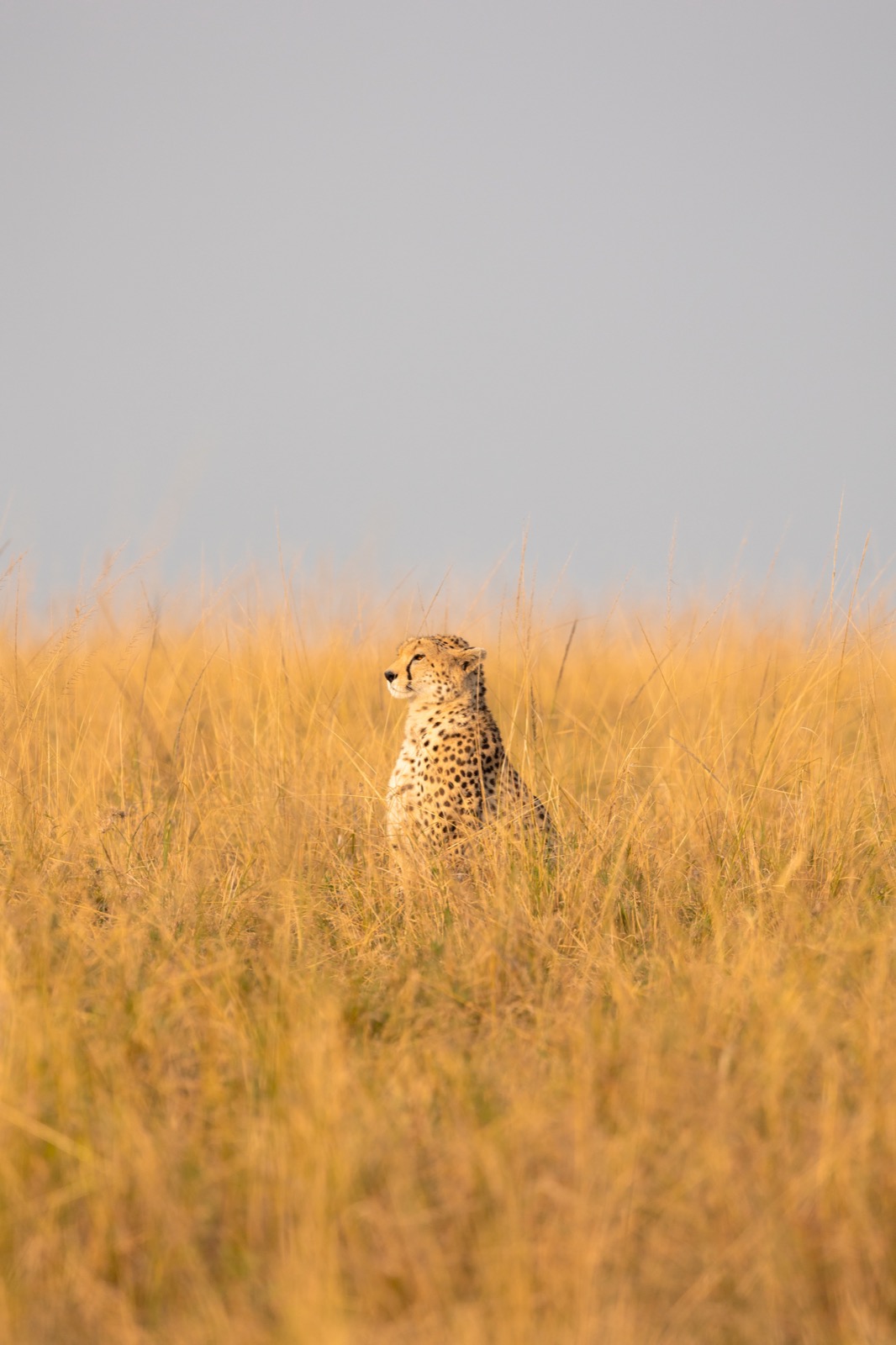
Masai Mara is the Kenya safari I would recommend first to most people. It gave me exactly the broad, open grasslands I had imagined, with flat-topped acacias, giraffes moving through the distance, cheetahs tucked into tall grass, and zebras scattered across the savanna. I loved looking out from the vehicle and realizing there was another giraffe or a herd I had somehow missed in the first sweep of the landscape. It is incredibly easy to understand why people fall in love with safari here. You can look across a huge view and see the Africa you have been picturing your whole life.
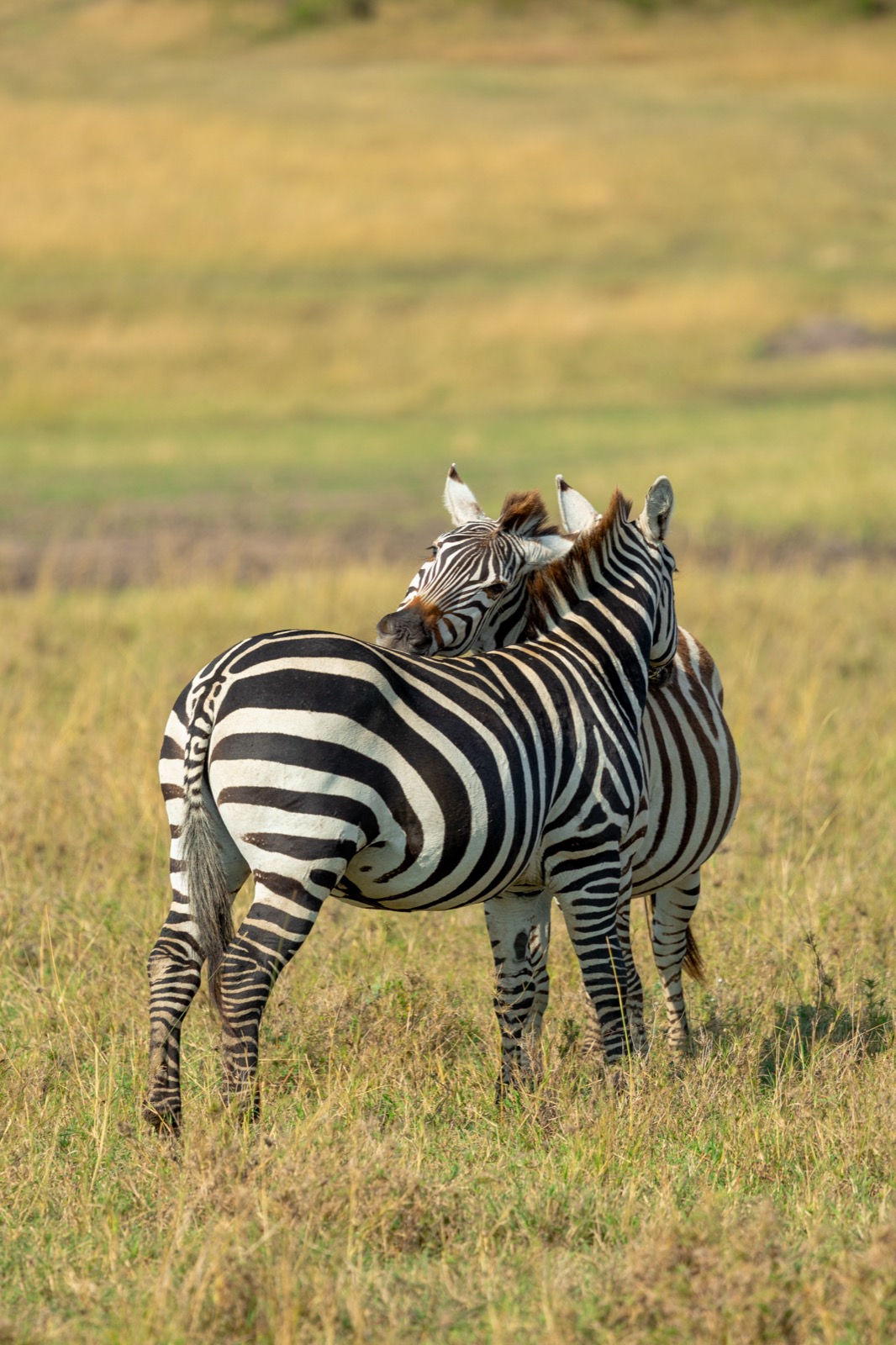
Our first zebra was one of the most exciting sightings of the entire trip. Later, after day after day of wildlife, I caught myself treating them as background scenery. Then we watched a line of zebras pick their way across a stream, stopping and crowding behind one another at the water. I loved watching the smaller interactions once I stopped looking only for lions and cheetahs.
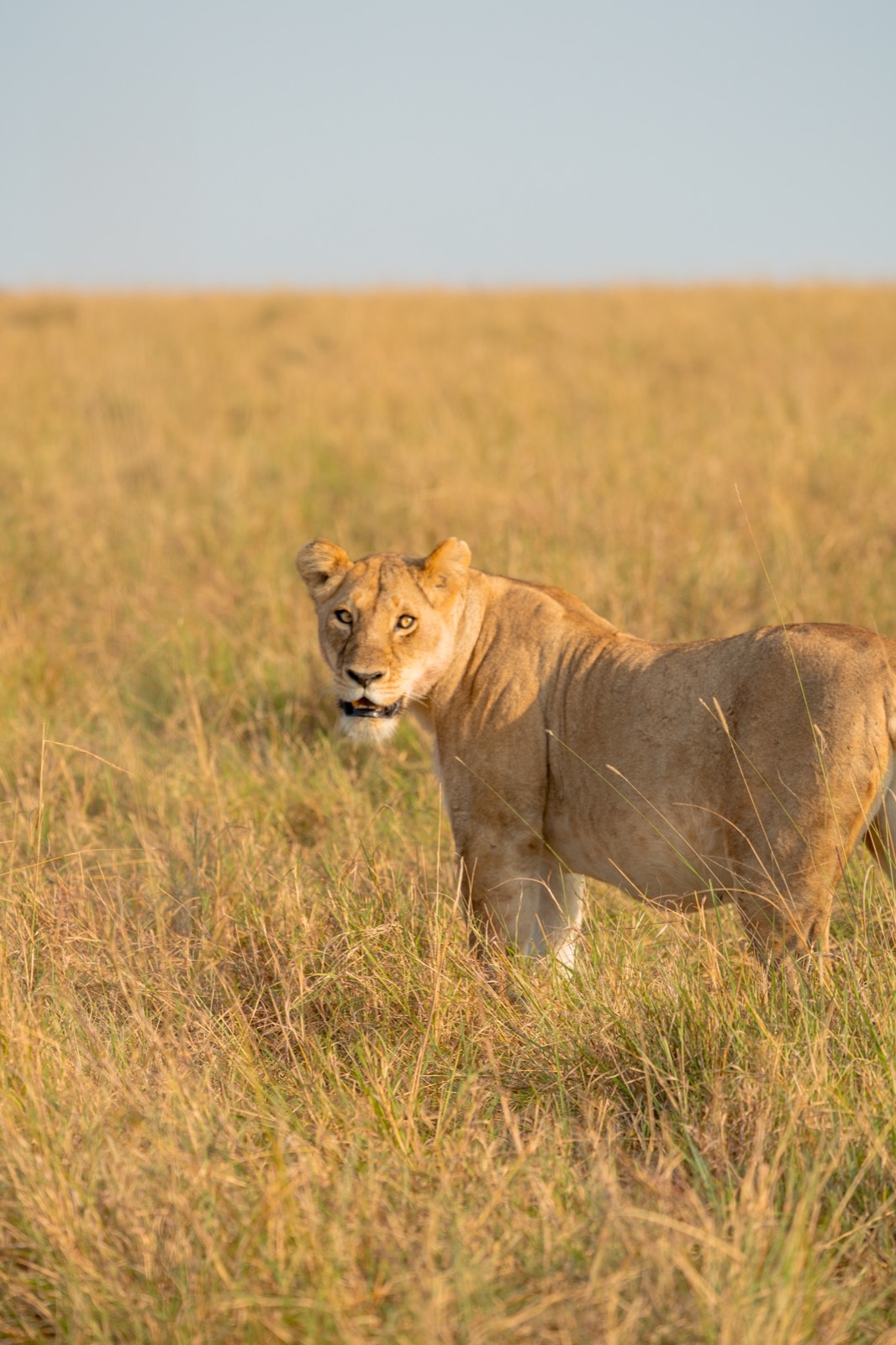
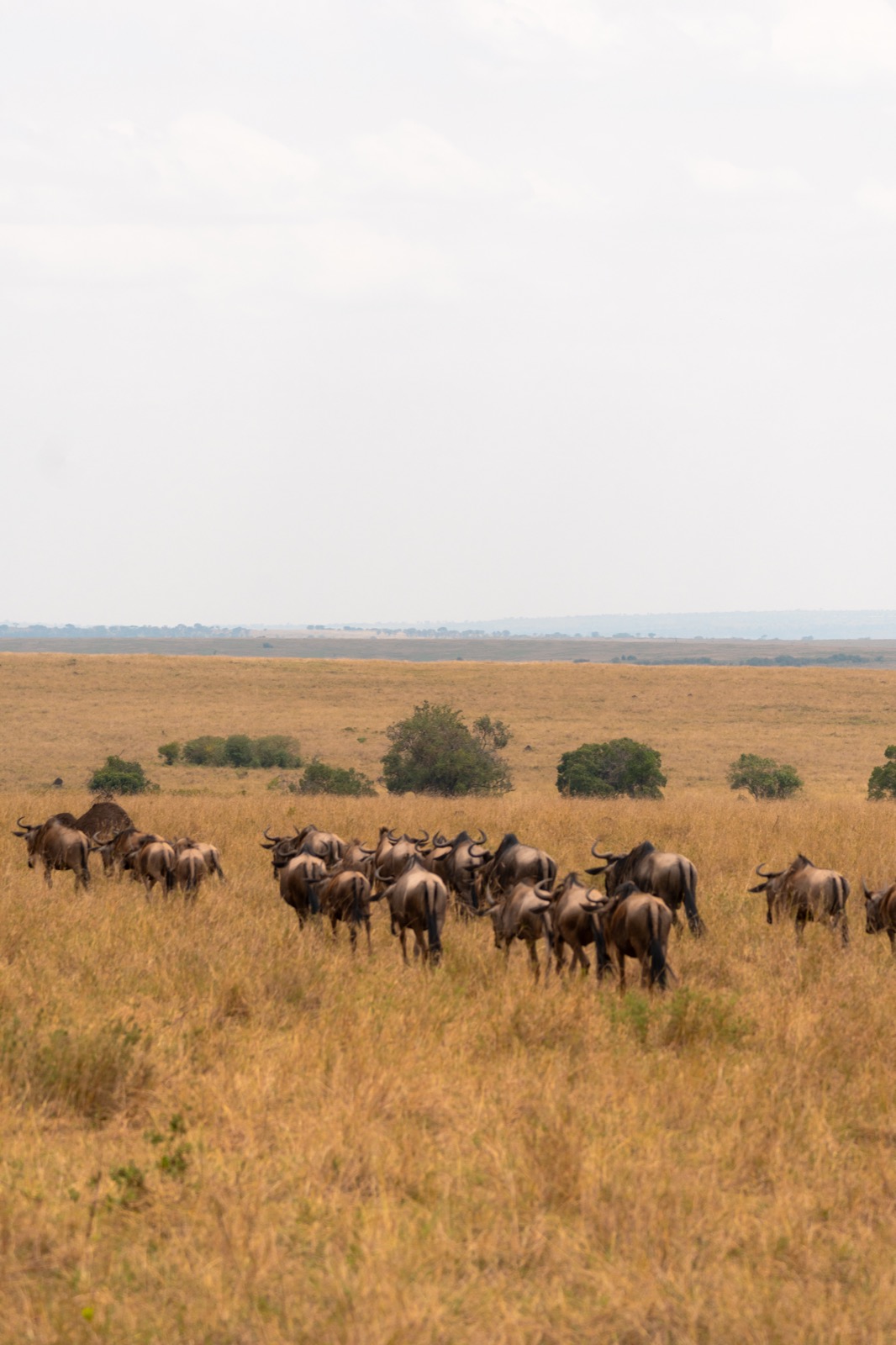
The wildlife variety is the reason I would protect three nights here. Lions, cheetahs, giraffes, zebras, wildebeest, and so many birds appeared across our drives, and the guides’ radios were always active. That system can lead to some crowded sightings, particularly around a major predator moment or the river, but it also means a good guide has far more information than one vehicle driving around alone. We came upon lions after a kill, with the prey still on the ground while the lions were walking away, and I remember being so struck by how quickly a dramatic wildlife moment can become quiet again.
The Great Migration is never guaranteed
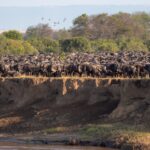
We visited during the 2025 migration season and spent two days waiting, hoping to see a Mara River crossing from the Kenya side. It did not happen. The weather was unusual, the river conditions were not what we had expected, and the herds never gave us the moment we had traveled for. I would be lying if I said I was not disappointed at the time.
But the Mara taught me a useful safari lesson very early. You can choose the season, give yourself more days, listen to your guide, and still not control a river crossing. We later saw the migration in Tanzania, after crossing into the northern Serengeti, but that does not make Tanzania a guarantee either. It only means the animals moved there while we were lucky enough to be nearby.
If a river crossing is your main reason for choosing a Kenya safari, read my dedicated Great Migration river crossing guide for the full story and planning advice. Here, I would simply say to give yourself flexible time near the river and make sure you will still be happy if your best memories are lions in the grass, a giraffe by an acacia tree, or zebras stepping carefully through a stream instead.
Photography and practical expectations in the Mara
The Mara was made for photography. The long sightlines let you place animals against the sky or golden grass, while the grass itself makes lions and cheetahs feel wonderfully hidden until your guide points them out. I loved the contrast between a close animal portrait and the wide views where a giraffe or a lion looked tiny against all that grass. A lens with real reach is useful, but do not forget the bigger picture. Those open plains are half the reason the Mara feels so special.
I would plan full days in the reserve rather than returning to the lodge midday, especially if photography matters to you. Our packed lunches were practical, but I preferred them because they gave us more time in the park. Keep a jacket handy for the cold morning, sunscreen and water close by for the hot afternoon, and something to cover your camera bag from dust. The hard park closing times made sunset photography feel a little rushed, so I would ask my operator how they plan late-afternoon drives before booking.
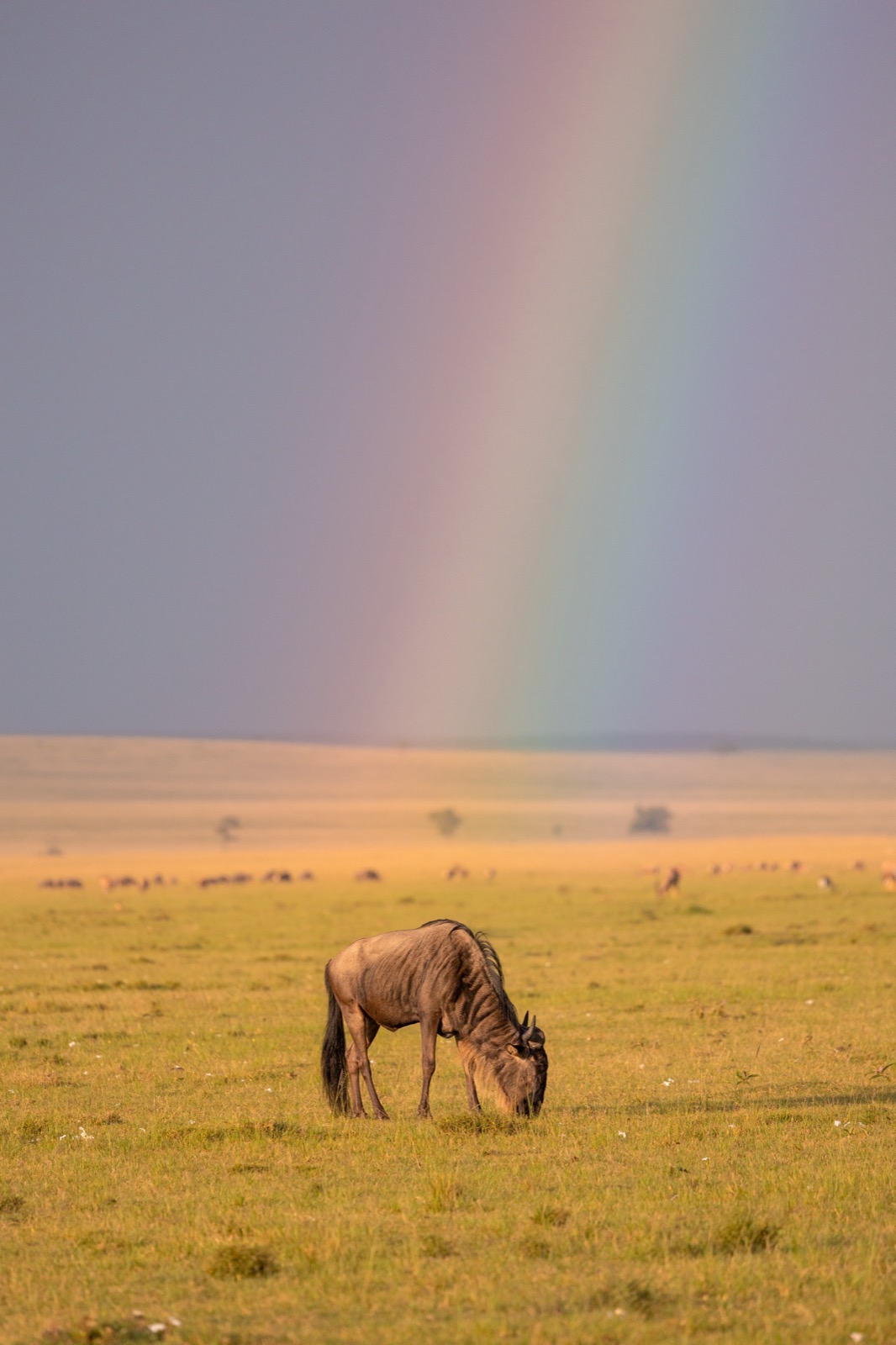
Despite missing the river crossing in Kenya, leaving Masai Mara beneath a double rainbow is still one of my favorite memories from the entire trip. We could see both arcs over the plains as we drove out of the reserve, and I kept turning around to photograph them through the back of the vehicle.
Amboseli: elephants and Kilimanjaro, not the biggest wildlife checklist
- ⭐ My rating: 9.5/10
- 🦁 Best for: Elephants, Mount Kilimanjaro, sunsets, and landscape photography
- 📅 Recommended stay: 2 nights
- 💵 2026 entrance fee: US$90 per non-resident adult per day
- 📷 Photography: Elephants beneath Kilimanjaro, dusty roads, warm evening light
- 👍 Would I return? Immediately
Amboseli is one of my favorite parks from the entire Kenya and Tanzania trip, and it is the one I would protect even when I was shortening an itinerary. It is not the best Kenya park for overall wildlife diversity, and I would not pretend it has the same endless variety as Masai Mara. That is not why I love it.
Amboseli looked different from every other park on our route. Elephant herds moved through the dusty landscape with Mount Kilimanjaro behind them, and the sunsets turned the grass golden. At one point, elephants blocked the road and we had to wait for the family to pass. When I think of Kenya, I still picture those enormous elephants, pale grass, dusty roads, and the snowy mountain behind them.
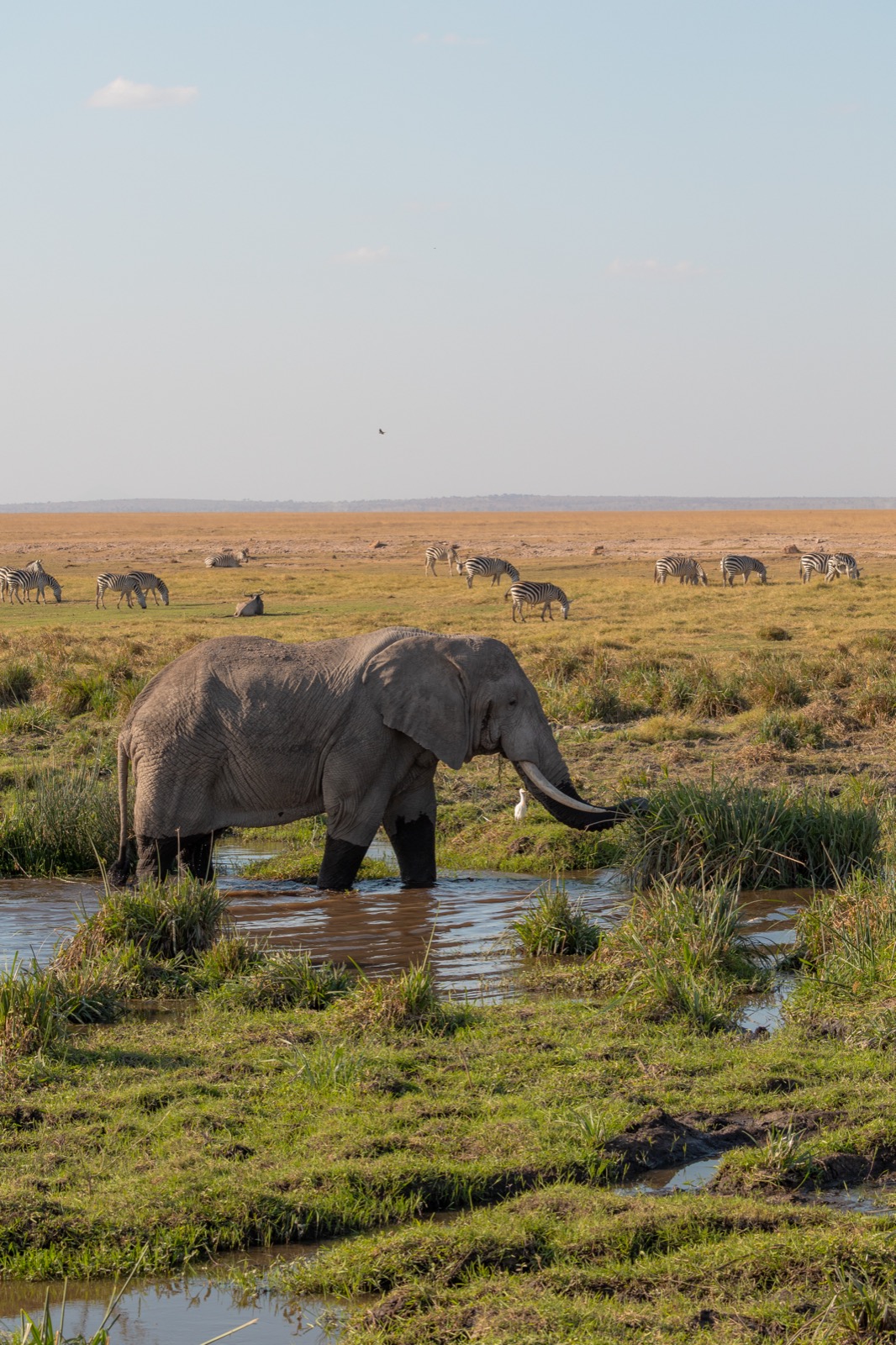
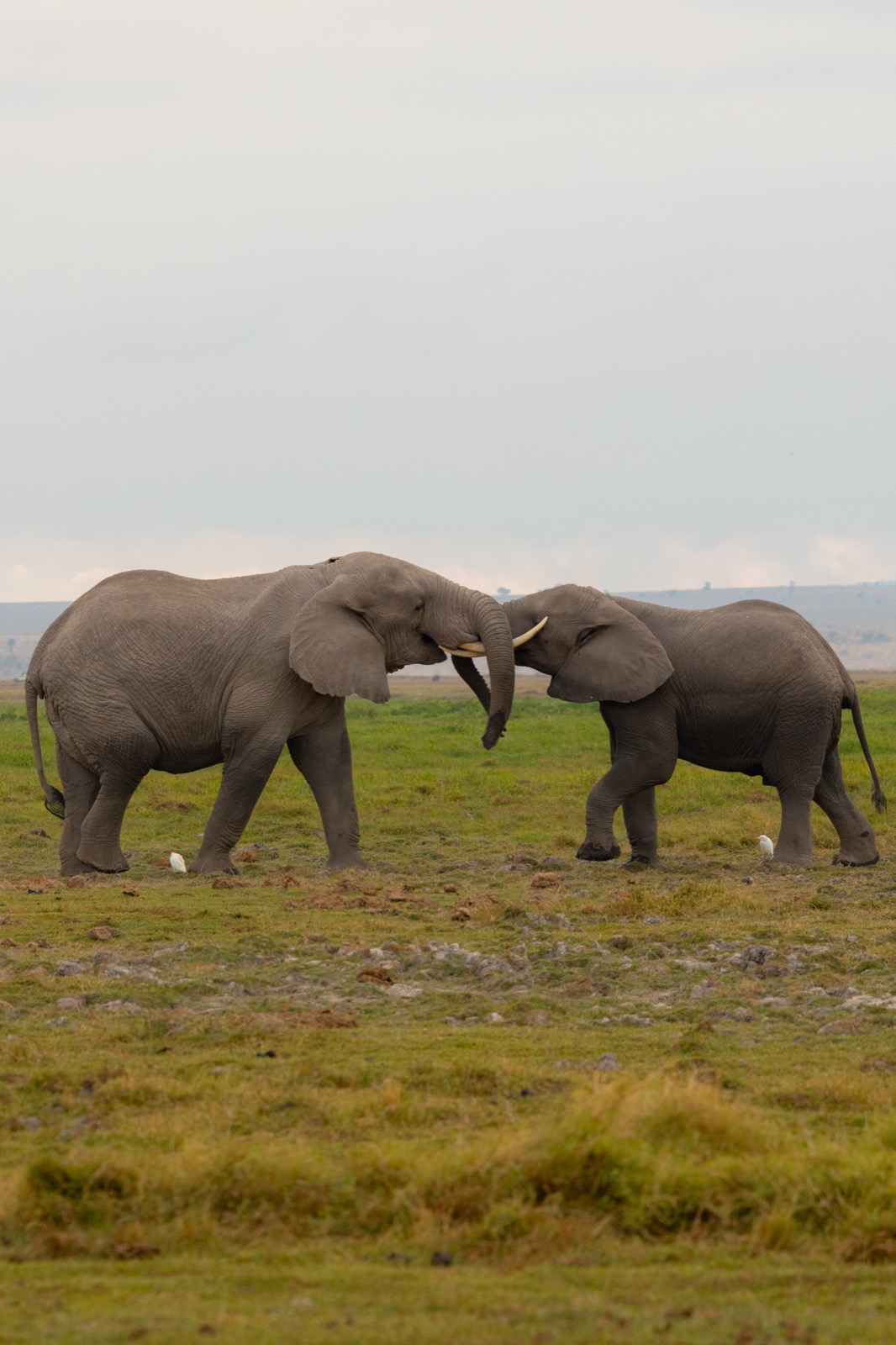
The mountain is often clearest in the morning, so do not sleep through an early drive if Kilimanjaro is high on your list. We needed layers at sunrise, then were peeling them off once the afternoon heat arrived. Clouds can hide the summit later in the day, and no amount of optimistic itinerary writing can promise a clear view, but the moment it does appear behind the elephants is even prettier than I had hoped. I loved the park even when the mountain was not performing perfectly.
For photographers, I would add time here rather than adding another similar grassland park. The combination of elephants, wetlands, zebras, mountain views, and big skies kept the game drives visually fresh. I made some of my favorite sunset photographs in Amboseli, even though I wished the park stayed open a little longer for that last bit of light. If you have a seven-day Kenya safari, this is the park that makes the long transfer feel worthwhile.
Lake Nakuru: birds, pelicans, and a gentler game-drive day
- ⭐ My rating: 7.5/10
- 🦁 Best for: Birdlife, pelicans, Rothschild’s giraffes, and breaking up an overland route
- 📅 Recommended stay: 1 night
- 💵 2026 entrance fee: US$90 per non-resident adult per day
- 📷 Photography: Lake birds, pelicans, and a quieter green landscape
- 👍 Would I return? Yes, if I were already driving this route
Lake Nakuru works best when you see it as a supporting stop, not when you expect it to compete directly with Masai Mara. It is more compact, slower, and gentler, which was a welcome change at the beginning of our trip. The birdlife was especially lovely, with pelicans lined up along the lake and birds that made us pay attention to something other than the next big cat sighting. We also saw Rothschild’s giraffes, which felt especially pretty against Nakuru’s greener landscape and gave the park a completely different feeling from the wide savanna.
It fit naturally after Lake Elementaita and before our drive toward Masai Mara. That route logic is the strongest reason to include it. Lake Nakuru breaks up long transfers, lets you have a proper game-drive day, and makes an overland Kenya itinerary feel less like a series of exhausting drives. I would not remove a full Mara or Amboseli day to force it in, though. With limited time, the park is an addition, not the centerpiece.
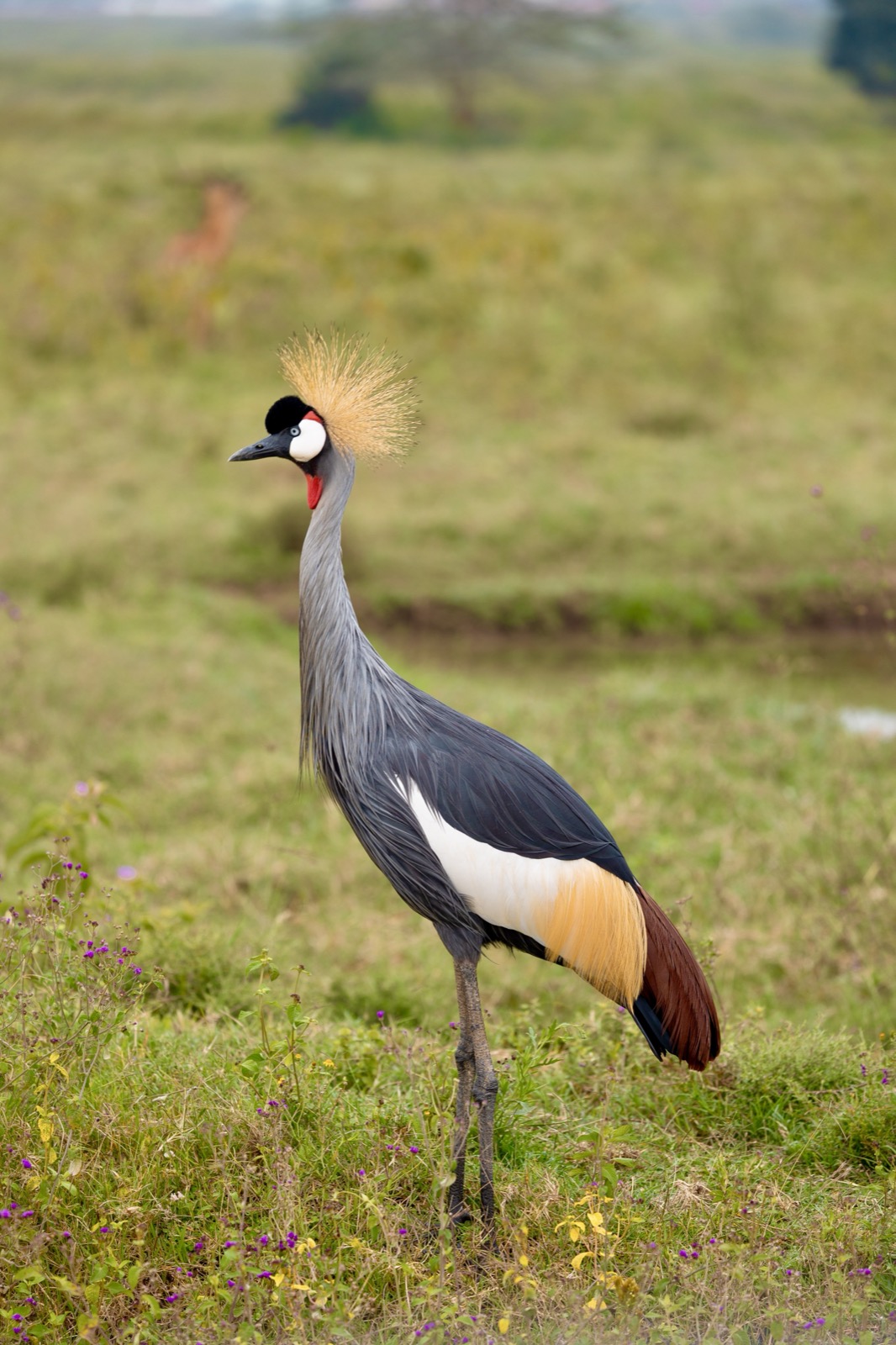
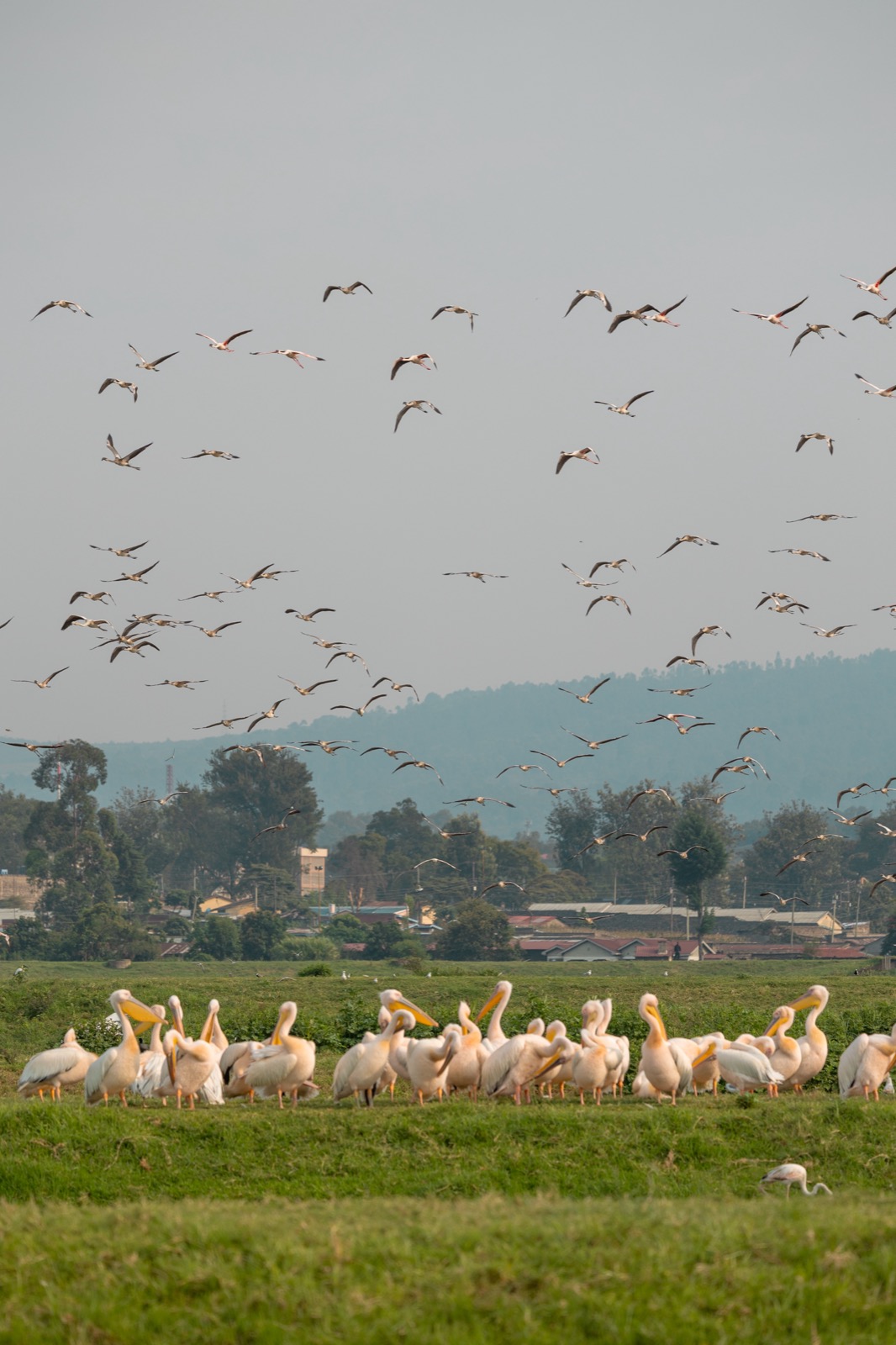
If you enjoy birds, it deserves more attention than it gets in the usual big-animal safari conversation. If you are impatient to get to lions, elephants, or the migration, I would keep the stop to one night and move on without guilt. That is the nice thing about a Kenya safari route. You do not have to declare every park equally special for it to have a useful place in the trip.
Masai Mara vs. Amboseli vs. Lake Nakuru
If you only have four days, choose Masai Mara and give it room to breathe. It is the strongest all-around answer for first-time safari wildlife, especially if you want the classic grassland scenes and are traveling during the migration window.
With one week, I would choose Masai Mara and Amboseli. It is a faster route because the transfer is substantial, but the contrast is worth it. The Mara gives you the broadest wildlife experience, while Amboseli gives you the elephant-and-Kilimanjaro photographs you cannot get anywhere else on this itinerary.
With more time, add Lake Nakuru if you are driving from Nairobi through the Rift Valley. It makes the route easier and adds birds and giraffes without pretending that another park needs to be the main event. For photographers, I would put the extra nights in Amboseli first. For birdwatchers, Lake Nakuru becomes much more appealing. For the Great Migration, make Masai Mara the anchor and allow several flexible days, while remembering that a crossing is never a booking confirmation.
High-level Kenya safari itineraries
I would keep these routes simple. There is a dedicated seven-day Kenya safari itinerary for a day-by-day version, but this is how I would choose the parks before worrying about every transfer.
A 4-day Kenya safari
Stay in or near Masai Mara for three nights, with two full game-drive days. This is the least rushed way to get the classic Kenya safari experience in a short time. I would not try to add Amboseli unless you are comfortable trading wildlife time for travel time.
A 7-day Kenya safari
Spend one arrival night in Nairobi, then build around Masai Mara and Amboseli. Lake Nakuru can fit as an overnight route break, but I would only include it if the transfer plan still protects full mornings in the parks. If it makes the itinerary feel breathless, skip it.
A photography-focused Kenya safari
Give Masai Mara three nights and Amboseli at least two, then add flexible nights according to the season. I would use the extra time in Amboseli for clear-mountain mornings and sunset light, or in Masai Mara for migration patience and different conditions in the grasslands. A longer lens, an open-roof vehicle, and room to stay at a sighting matter more to me than adding another park just for variety.
What I would do differently on my next Kenya safari
I would still build the trip around Masai Mara. It is iconic for a reason, and missing the river crossing did not take away from the lions, zebras, giraffes, cheetahs, grasslands, and that final double rainbow.
I would absolutely return to Amboseli, and I would protect it even if that meant making the route shorter. The elephants and Kilimanjaro gave me some of the most beautiful photographs of the trip, and the park felt different enough from the Mara to keep my excitement high.
I would include Lake Nakuru again if I were driving through the Rift Valley, because it makes the journey easier and has its own quieter pleasures. I would also still arrive in Nairobi a day early. A safari is much more fun when you begin rested instead of trying to recover from a long-haul flight in the back of a vehicle.
Most of all, I would shorten the overall safari unless photography were my main priority. Nearly two weeks gave me wonderful experiences, excellent lodges, excellent food, and so many animal sightings, but safari fatigue is real. After enough game drives, even a zebra can start to feel ordinary, which is a ridiculous thing to say until it happens to you. A focused Kenya itinerary with more time in fewer parks leaves space for the moments you never planned to become the ones you remember most.
Why I would return to Kenya
If you have ever watched The Lion King and imagined seeing those landscapes in real life, Kenya has the golden plains, acacia trees, lions, giraffes, zebras, and elephants you are picturing. You may also wait for days and miss the sighting you wanted most. You will probably be dusty, cold before sunrise, hot by lunch, and hurrying out of the park while the sky is turning pink and gold.
I would go back for the zebras crossing a stream, the elephants stopping traffic beneath Kilimanjaro, and another chance to photograph Masai Mara in the evening. Missing the river crossing did not make Kenya any less exciting.